
I have a notebook that I keep at my desk where I write down ideas for blog posts because, sometimes the best ideas come when you’re not thinking too hard and, just like a song writer, you want to keep those ideas somewhere safe until the time is right. The idea for this post, originally, came to me when I first had the thought about writing a blog in late 2018 but has evolved over time.

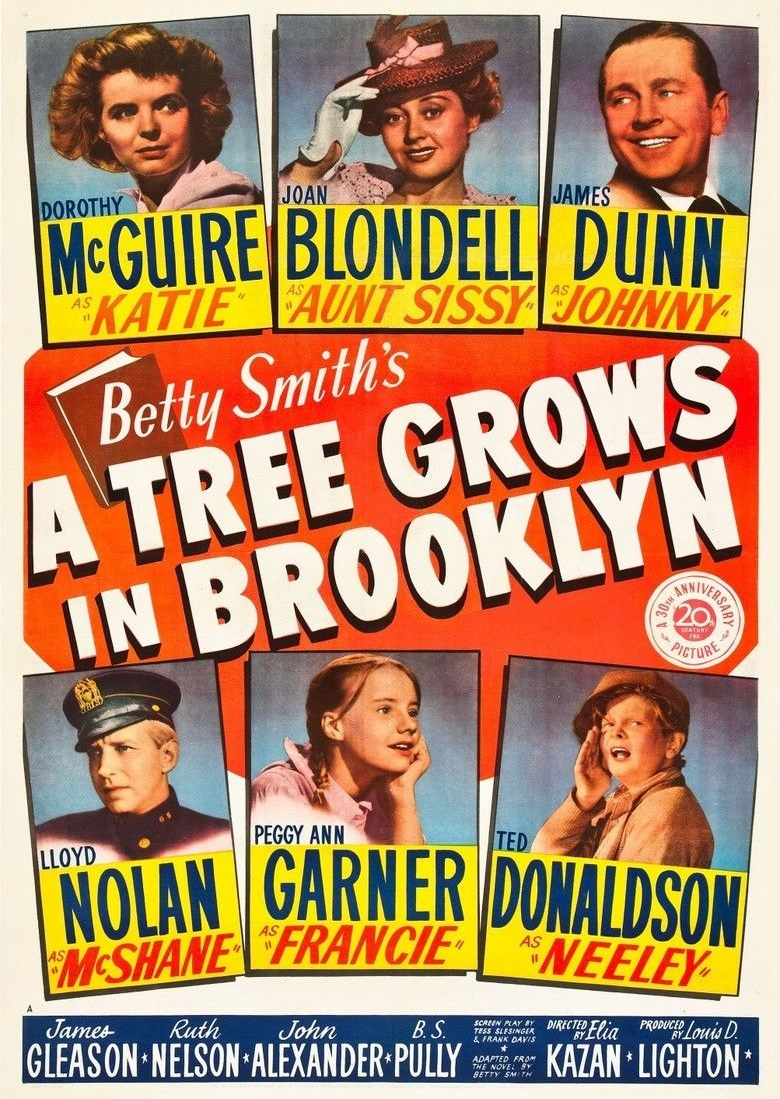
In 2018, I was selected as the TCM Backlot Guest Programmer. In my video submission I discussed the film, A Tree Grows in Brooklyn (1945) and shared a few of the reasons why I thought it was an important and distinguished film as well as being a cherished personal favorite. (If you’re curious, you can watch my winning submission video on YouTube here.) The criteria I set for myself when selecting which film I wanted to discuss in my video submission to TCM was two-fold: first, I wanted to select a film which I had seen for the very first time on TCM and, second, a film which is, sadly, not currently available on any digital format either to purchase (iTunes, Movies Anywhere, Amazon, etc.) or stream (Prime Video, Netflix, Hulu, etc.). A Tree Grows in Brooklyn (1945) filled both of those criteria while also being one of my favorite films, an Academy Award winner, and being the first film to have been directed by Elia Kazan who would go on to win two Oscars for Best Director during his long and unparalleled career in Hollywood.
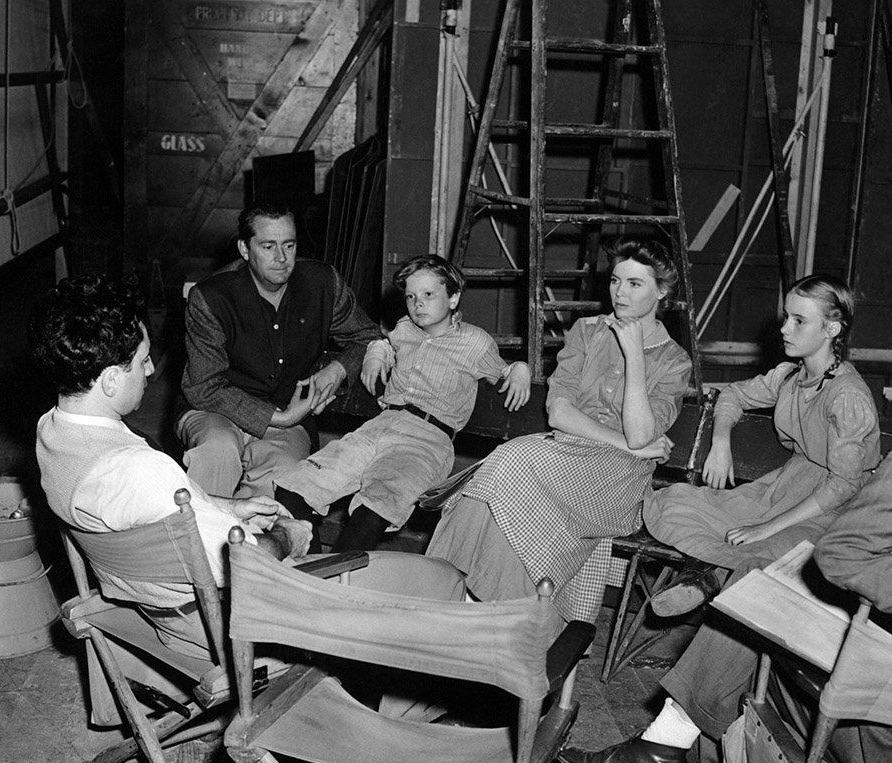
What I could not have known at the time that I contemplated this topic for my blog, was that, a few years later, I would have the honor of meeting one the stars from the film A Tree Grows in Brooklyn and would forever be touched by my conversation and time with him.
A Tree Grows in Brooklyn – The Film
Elia Kazan directed the 1945 release of Betty Smith’s novel, A Tree Grows in Brooklyn, which is a poignant adaptation of the book set in the early 20th-century and centered on the struggles of the Nolan family as they navigate poverty in the New York City neighborhood of Brooklyn. The heart of the film centers around young Francie Nolan, played by Peggy Ann Garner, and her coming-of-age journey while facing adversity and economic hardship. Francie finds solace in education, specifically in her love of literature, and, filled with a resilient spirit and determination, strives to rise above her circumstances and dream of a better life for herself and her family.
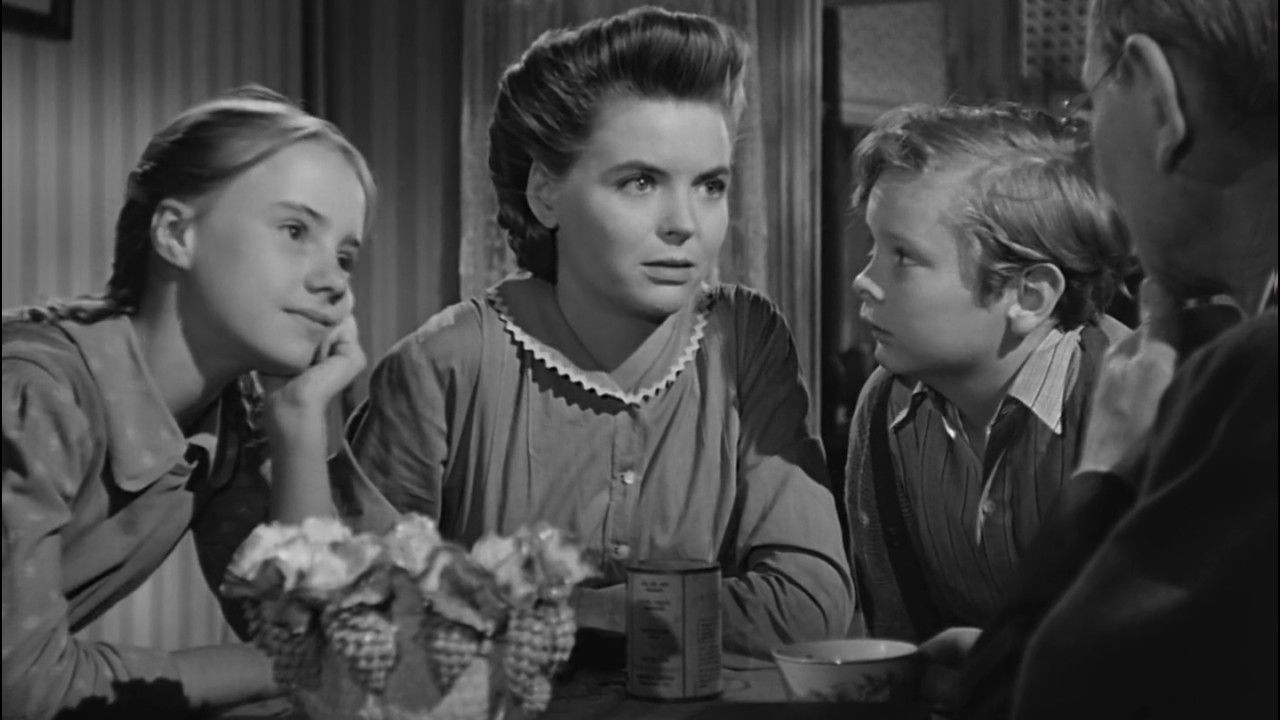
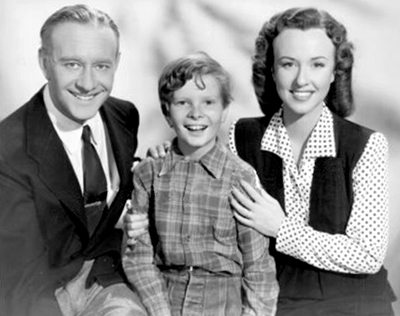
and Ted Donaldson (right) as Neeley Nolan in A Tree Grows in Brooklyn (1945)
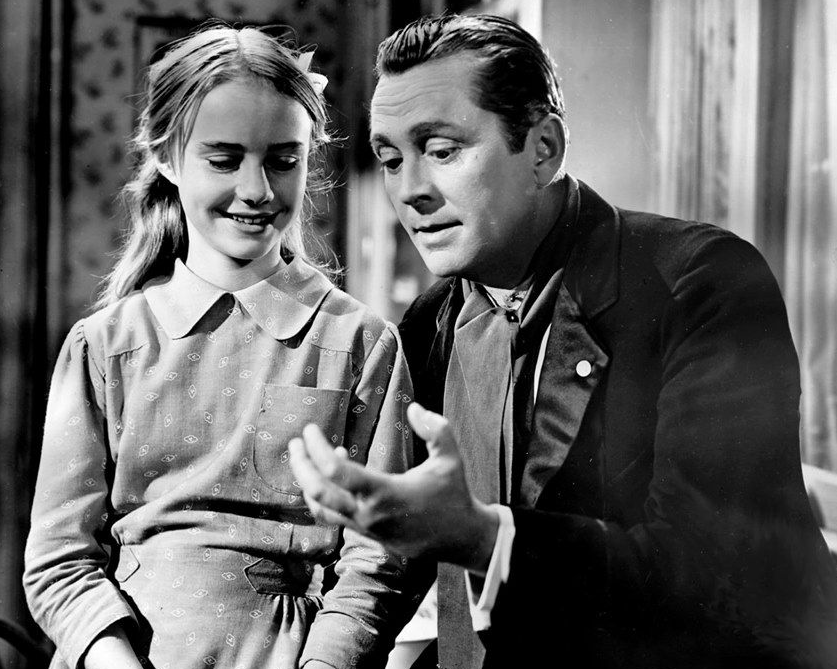
as Johnny Nolan in A Tree Grows in Brooklyn (1945)

and Peggy Ann Garner (right) as Francie Nolan in
A Tree Grows in Brooklyn (1945)
James Dunn portrays Francie’s alcoholic but ever devoted father, Johnny Nolan, a role for which he received the 1946 Academy Award for Best Actor in a Supporting Role. Dorothy McGuire plays family matriarch Katie Nolan who does much of the heavy lifting to keep her family together and who, despite shattered dreams, continues to love her struggling husband, Johnny. Francie’s younger brother, Neely Nolan, played by Ted Donaldson, is a bit more street-wise than his bookish older sister but always works with Francie to do whatever they can to contribute to the family whether that be by collecting and selling rags weekly, figuring out how to get to the front of the line for the best day-old bread and pie choices, or ensuring that they get the very best Christmas tree. Rounding out the Nolan family is vivacious actress Joan Blondell, as Aunt Sissy, a worldly wise and spunky woman, especially for the times, who is ever determined to find the man of her dreams, calling each of her husband’s Bill no matter what their real names might have been.

Francie absolutely adores her father and is a constant source of support for him. In return, Johnny feeds into her pipe dreams that his work as a singing waiter will eventually lead to him to being discovered by an impresario, ultimately leading to wealth and everything else their small, poor family could possibly dream of. While Francie and her father constantly have their heads in the clouds, it is the responsibility of Katie, Francie’s mother, to keep their feet on the ground which sometimes places she and Francie at odds.

A Tree Grows in Brooklyn (1945) beautifully captures the essence of hope amidst adversity, depicting the enduring strength of the human spirit and the power of dreams to flourish even in the harshest of environments. With its compelling storytelling and heartfelt performances, the film continues to captivate audiences.
In addition to A Tree Grows in Brooklyn being such a gripping adaptation of Betty Smith’s novel, it also received critical accolades as well. As I mentioned earlier, James Dunn won the 1946 Academy Award for Best Supporting Actor for his role as Johnny Nolan in the film. In addition, Peggy Ann Garner beat out Elizabeth Taylor in National Velvet for the 1946 Best Juvenile Academy Award for her role as Francie Nolan. Lastly, the film was nominated for the 1946 Academy Award for Best Writing, Screenplay honoring both Frank Davis and Tess Slesinger.
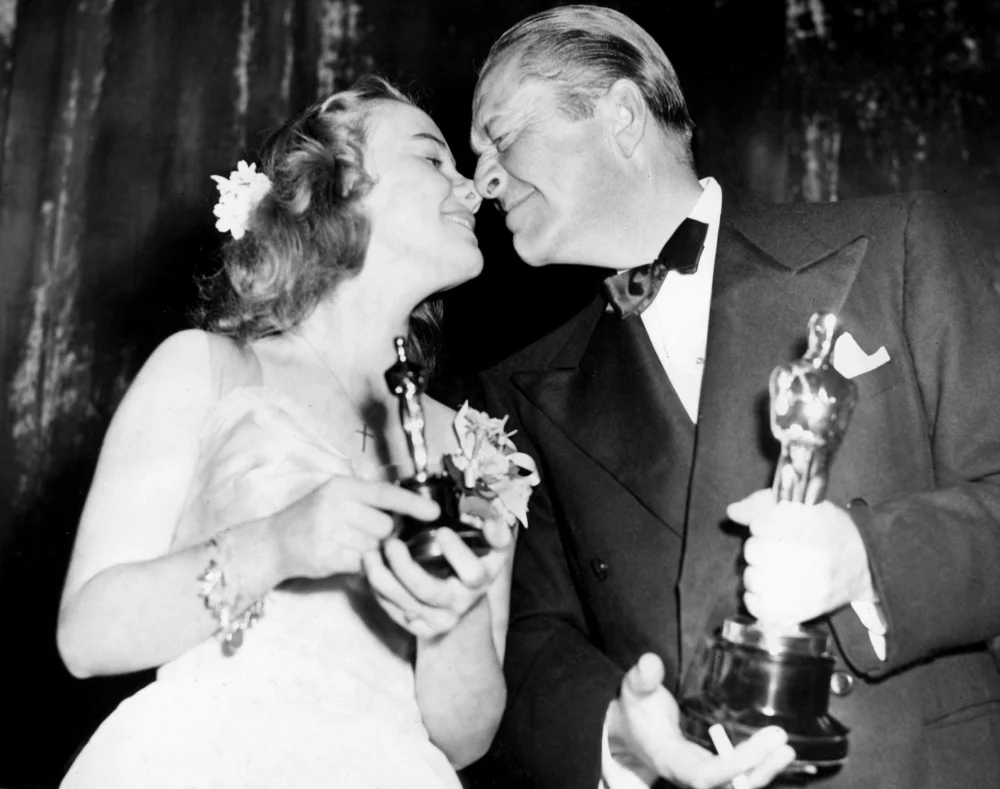
A Tree Grows in Brooklyn (1945)
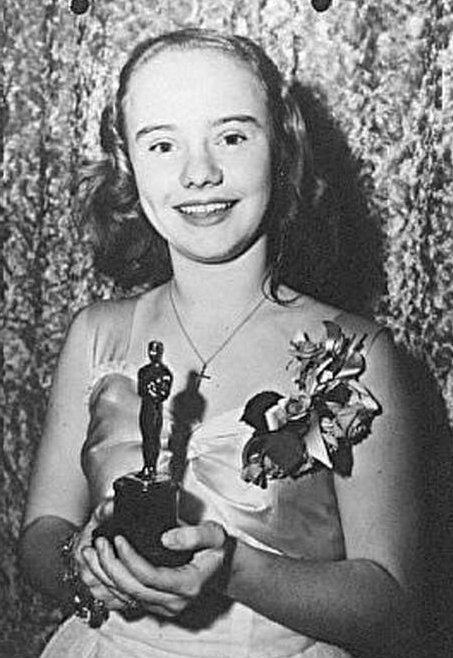
Interestingly, James Dunn’s only Academy Award nomination and win in his career came with his performance in A Tree Grows in Brooklyn. Dunn, who had worked in film in the 1930’s, himself had struggled with alcohol in real-life and, as a result, his film work had all but dried up. Elia Kazan made his case with Darryl F. Zanuck to allow him to hire Dunn for the role of alcoholic father, Johnny Nolan in the film. Kazan was quoted saying, “In the theater, if you needed a guy to play a drunk, you got an actor who probably had some experience with drink”. Kazan’s words couldn’t have been more prophetic and Dunn, ultimately, won the Academy Award for his role.
Elia Kazan – The Director

In my opinion, you cannot write anything about the 1945 film A Tree Grows in Brooklyn and not talk about its director, Elia Kazan. You want to talk about an astonishing, impressive, and unparalleled career in Hollywood, this guy is on that very short list.
Born on September 7, 1909 in, what is today known as, Istanbul, Turkey, Kazan immigrated to the United States with his family at the age of four and grew up in New York City. As the son of a rug merchant, Elia attended public school in New York City and, later, in the suburb of New Rochelle where he graduated from New Rochelle High School. Kazan continued his education by attending Williams College in Massachusetts, graduating in 1930, and then going on to study drama at Yale University from 1930-1932. Continuing to focus on acting in theatre, Kazan joined the Group Theatre in the mid-1930’s, remaining there until it dissolved in 1942. Kazan then shifted his focus to directing and we are all better for him having made that decision.
Kazan found success as a theatre director, helming productions of Thorton Wilder’s The Skin of Our Teeth (1942), the original Broadway production of Tennessee William’s A Streetcar Named Desire (1947), and the original Broadway production of Arthur Miller’s Death of a Salesman (1949). Simultaneously, Kazan was also finding success as a film director with his productions of A Tree Grows in Brooklyn (1945), Gentleman’s Agreement (1947) and Pinky (1949).
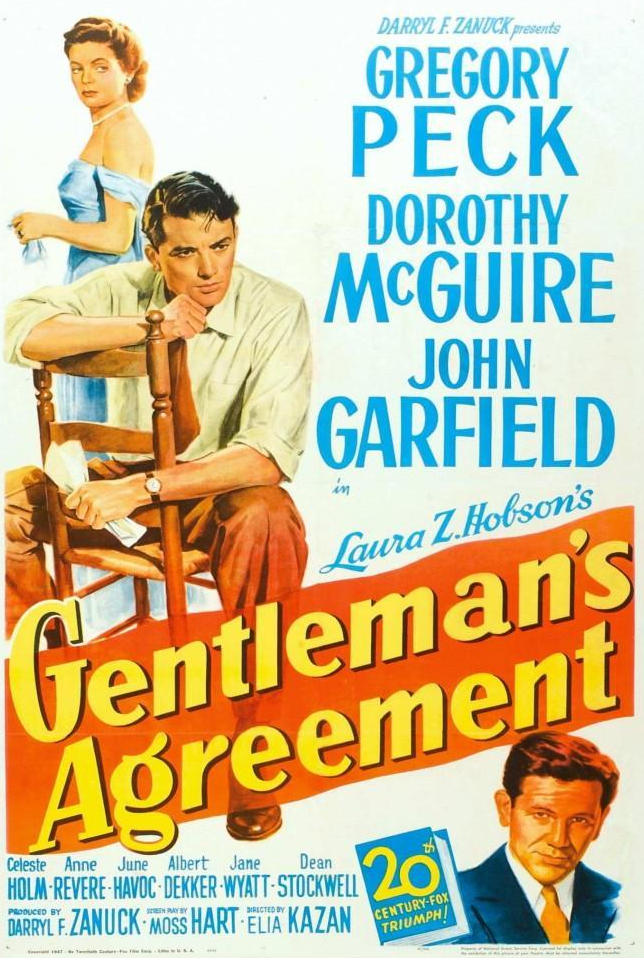
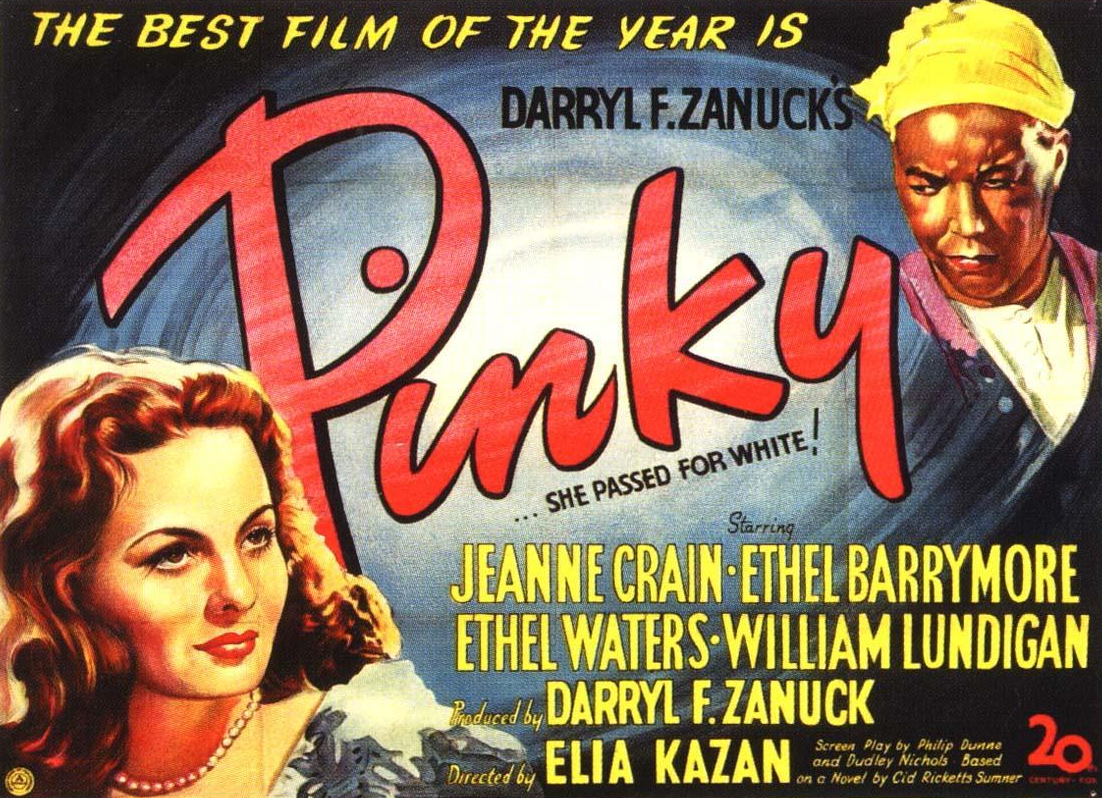
In 1947, Elia Kazan co-founded The Actor’s Studio where many actors, who would go on to achieve great fame and success on both stage and screen, studied and perfected “Method Acting”, which Kazan had initially discovered during his years at the Group Theater. Actors including Marlon Brando, James Dean, Kim Hunter, Eva Marie Saint, Marilyn Monroe, and Paul Newman, to name just a few, studied and perfected their craft at The Actor’s Studio and many went on to work with Elia Kazan in both Broadway and Hollywood productions.

Elia Kazan’s Hollywood pedigree is particularly impressive in both his list of film achievements and those of the actors who worked under his direction. In addition to A Tree Grows in Brooklyn (1945) and the other films listed above, he also directed an impressive array of films including The Sea of Grass (1947), A Streetcar Named Desire (1951), Viva Zapata! (1952), On the Waterfront (1954), East of Eden (1955), Baby Doll (1956), A Face in the Crowd (1957), Wild River (1960), Splendor in the Grass (1961), and America America (1963). During his career, he directed 21 actors to Oscar nominations with some of them ultimately winning the award. Kazan, himself, was nominated seven times, winning 2 Academy Awards as Best Director for Gentleman’s Agreement in 1948 and On the Waterfront in 1955.
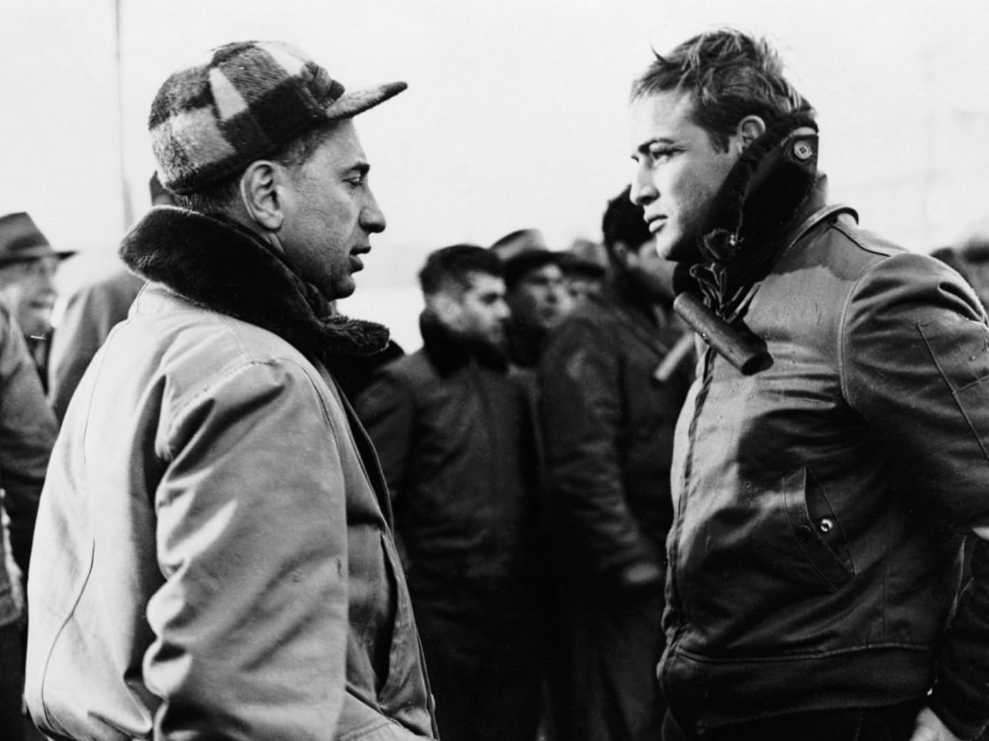
On the Waterfront (1954)


His life and career were not free from controversy and personal struggle. Elia’s career was disrupted as a result of the McCarthy hearings centered around the House Un-American Activities Committee which was a federal committee investigating any perceived ties or disloyalty, real or imagined, of many prominent Americans, including Walt Disney, Arthur Miller, Clark Gable, Humphrey Bogart, Lauren Bacall, Dalton Trumbo, and even Shirley Temple, from 1938 – 1954 resulting in the blacklisting of many famous Hollywood actors, writers, directors and producers.
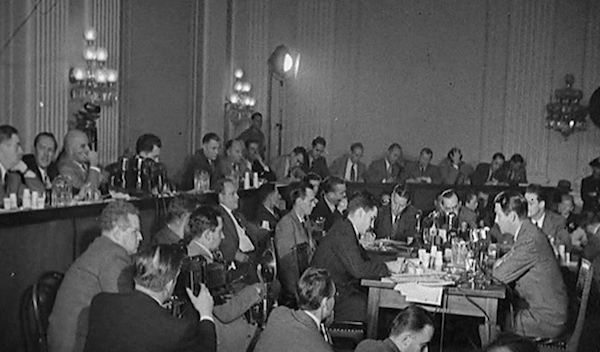
Kazan was called to testify in front of the HUAC in 1952 where, under pressure, he admitted to a 2-year membership in an American cell of the Communist Party during his time with the Group Theatre and went on to do the unthinkable, he named names of other’s he knew who had also joined the group. As a result, many of Kazan’s friends and professional peers turned their backs on him, effectively stalling his career until making his professional comeback with On the Waterfront in 1954.
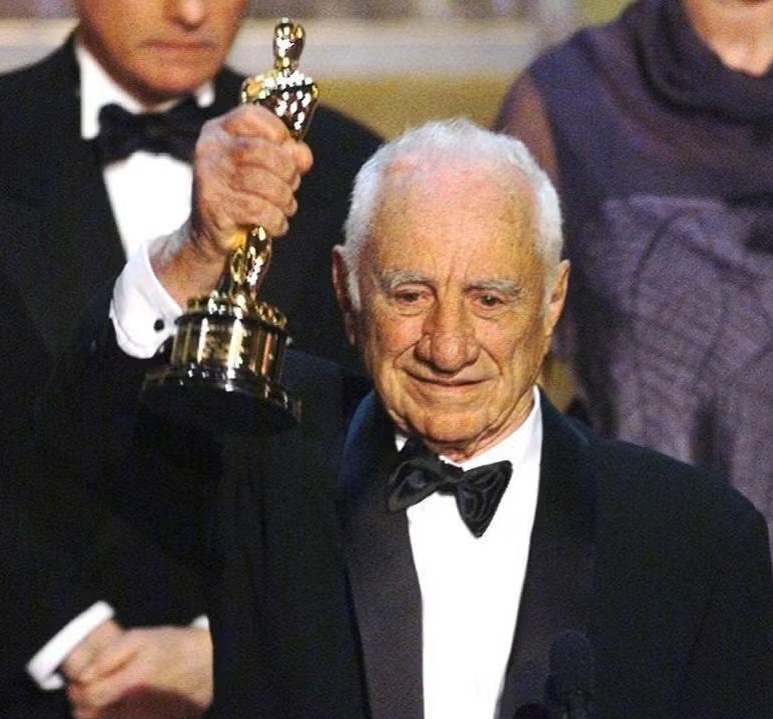
In 1999, Kazan was selected to receive an honorary Lifetime Achievement Oscar Award. Despite the fact that 47 years had passed since the HUAC investigations, which are now largely considered to be a federal witch hunt by historians and artists alike, many still objected to Kazan receiving the award. In the end, Kazan did receive the award with some in attendees refusing to stand and applaud for Kazan; however, a majority in attendance did honor a man who, himself, had been a victim of the HUAC nearly half a decade before.
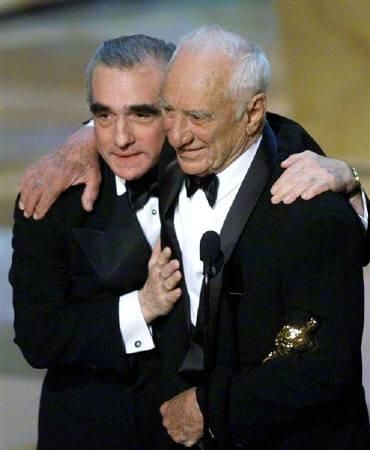
Elia Kazan passed away at the age of 94 years old on September 28, 2003, just four years after having received his honorary lifetime Achievement Oscar. Married three times, Kazan had 2 children and two of his granddaughter’s, Zoe Kazan and Maya Kazan, are actor’s today on stage and screen.

Ted Donaldson – The Pal
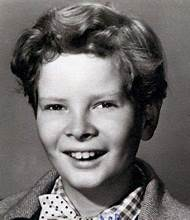
Ted Donaldson was born on August 20, 1933 in Brooklyn, NY, the only child and son of Will Donaldson, a singer and composer, who co-wrote the song “Do-Wacka-Do” which was a hit for Roger Miller in 1965, and Josephine M. Donaldson. Sadly, Ted lost his mother when he was only four and a half months old and was raised by his stepmother, Muriel Pollock, an American songwriter, composer, pianist and organist when his father remarried, also in 1933.
Donaldson went on to attend the Professional Children’s School in New York City where it is reported that he had a magic act and, eventually in 1941 at the age of eight years old, he joined the original Broadway production of Life With Father in the role of Harlan. Later, that same year, Ted could be heard in the role of Tiny Tim, opposite Edmund Gwenn, in a week-long, serialized radio version of the Dicken’s classic, A Christmas Carol and, with that, his career in entertainment, highlighted by his versatility and talent at a young age, was off and running.
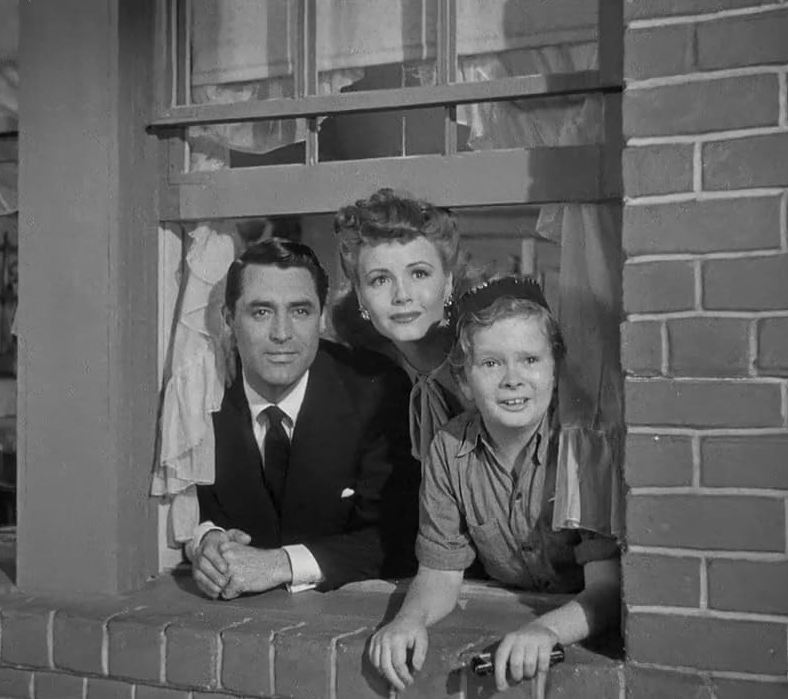
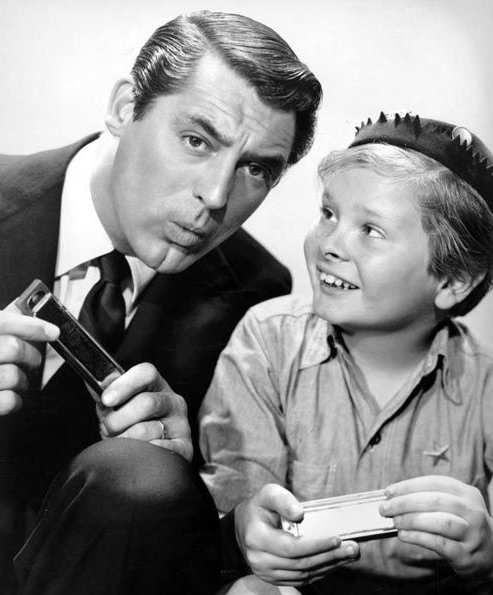
For his first screen role, Ted started out with a bang, co-starring alongside Cary Grant, Janet Blair, and William Demarest in the film Once Upon a Time (1944) and so impressed everyone with his skill for dialects that he won the Critics Award for that film. Next, Ted appeared in Mr. Winkle Goes to War (1944) with Edward G. Robinson and Ruth Warrick and, after A Tree Grows in Brooklyn in 1945, appeared in the Rusty series including Adventures of Rusty (1945), The Return of Rusty (1946), For the Love of Rusty (1947), and My Dog Rusty (1948). In 1949, Ted appeared alongside Walter Brennan and a young Natalie Wood in The Green Promise, directed by William D. Russell.
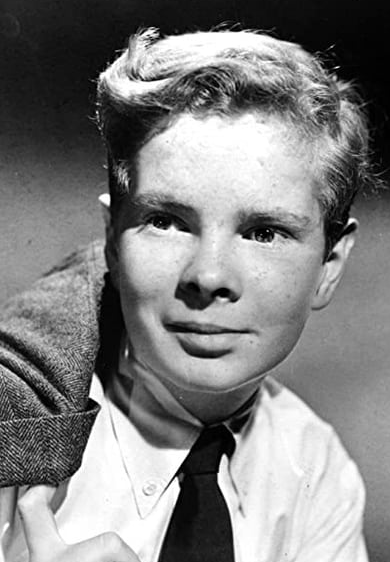
Notably, Ted’s career included the role of Bud Anderson in the radio version of Father Knows Best from 1949 – 1954 and, when the series moved to television, Ted was offered the role; however, he turned it down fearing he would be type-cast, saying, “I didn’t want to be a 21-year-old playing a 15- or 16-year-old kid. I wanted to do other things.” In later years, Ted regretted that decision saying that decision was, “one of the two or three most stupid things I have not done because not only would the salary have been very nice for five years, but the residuals would have also.”
By the late 1950’s, Ted’s film & television career was in its twilight with his last appearance coming on a television series The Silent Service as Lt. Clark in 1958. Ted would go on to become an acting teacher and work as a bookseller in a store on Hollywood Boulevard. In later years he gave many interviews about his life and career in Hollywood and became a favorite at the annual Turner Classic Movie Film Festival in Hollywood. In fact, it was at a TCM Pre-Festival party where I had the opportunity to meet and befriend Ted in 2022.
The day I met Ted did not start out to be that fantastic. After landing safely at Burbank Airport and making my way to my hotel in Hollywood ahead of the TCM Film Festival, I discovered that the hotel had lost my booking, and I had no place to stay. Panic raced through my entire body. I had booked and paid for my room months ago and, not only had they lost my reservation but they also didn’t have a room to offer me because they were fully booked due to the film festival, and the likelihood of me finding a room at this point anywhere near the festival was highly improbable.
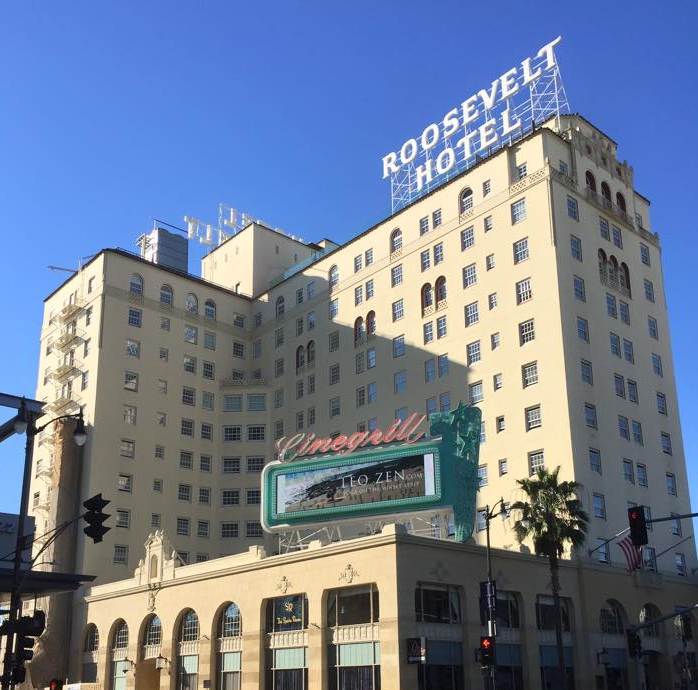
Immediately, I reached out to the hotel where I had stayed at the last festival I had attended in 2019, The Hollywood Roosevelt Hotel. I explained the situation and asked if they had any rooms available. Unfortunately, they did not but they offered to take my number and call me if anything became available. Deflated and stressed out beyond belief, I was warmly greeted by a friend in the lobby who offered to let me crash in their room for the night. Shortly thereafter, my cell phone rang with a call from the Roosevelt Hotel. Could this be it? Is it possible they had a room for me? I picked up and, although the call said it was connected, I couldn’t hear anything. The call ended. They immediately called me again and the same thing happened. Frantically, I called my husband to explain the situation to him, but the same problem happened again, the call connected but I couldn’t hear anything coming from the other end of the line. I texted my husband, explaining the situation and saying that something was wrong with my phone, asking if he could call the Roosevelt Hotel back for me to secure the room. Within about 10 minutes, I heard back from my husband, via text, that he had booked me a room at the Roosevelt Hotel, grabbed my bags and made the short walk down Hollywood Boulevard to check in.
After checking in to my room and leaving my bags with the valet, I decided to locate the nearest location of my cellular carrier so I could try and figure out what was going on with my phone. I walked about a half mile to the location and was greeted by a note on the door explaining that the carrier’s network was experiencing a nationwide outage, and they did not know when it would be restored. Well, at least now I knew that I wasn’t alone with this problem, which somehow made me feel better. Exhausted from the unexpected chaos of my arrival, I sat down inside the store for a little while to catch my breath before walking back to the hotel. As I was seated there, the cellular network was miraculously restored, and my phone was once again working.
Walking back to the Roosevelt Hotel, I thought about the insanity of the day thus far and how I was looking forward to heading up to my room to get ready for the pre-festival party at the nearby Hollywood Heritage Museum where, post pandemic, I would once again be able to see and hug my friends and fellow cinephiles for the first time since 2019. As I walked around, greeting friends and grabbing something to drink, I noticed a gentleman sitting on a bench on the porch and immediately recognized him as Ted Donaldson.
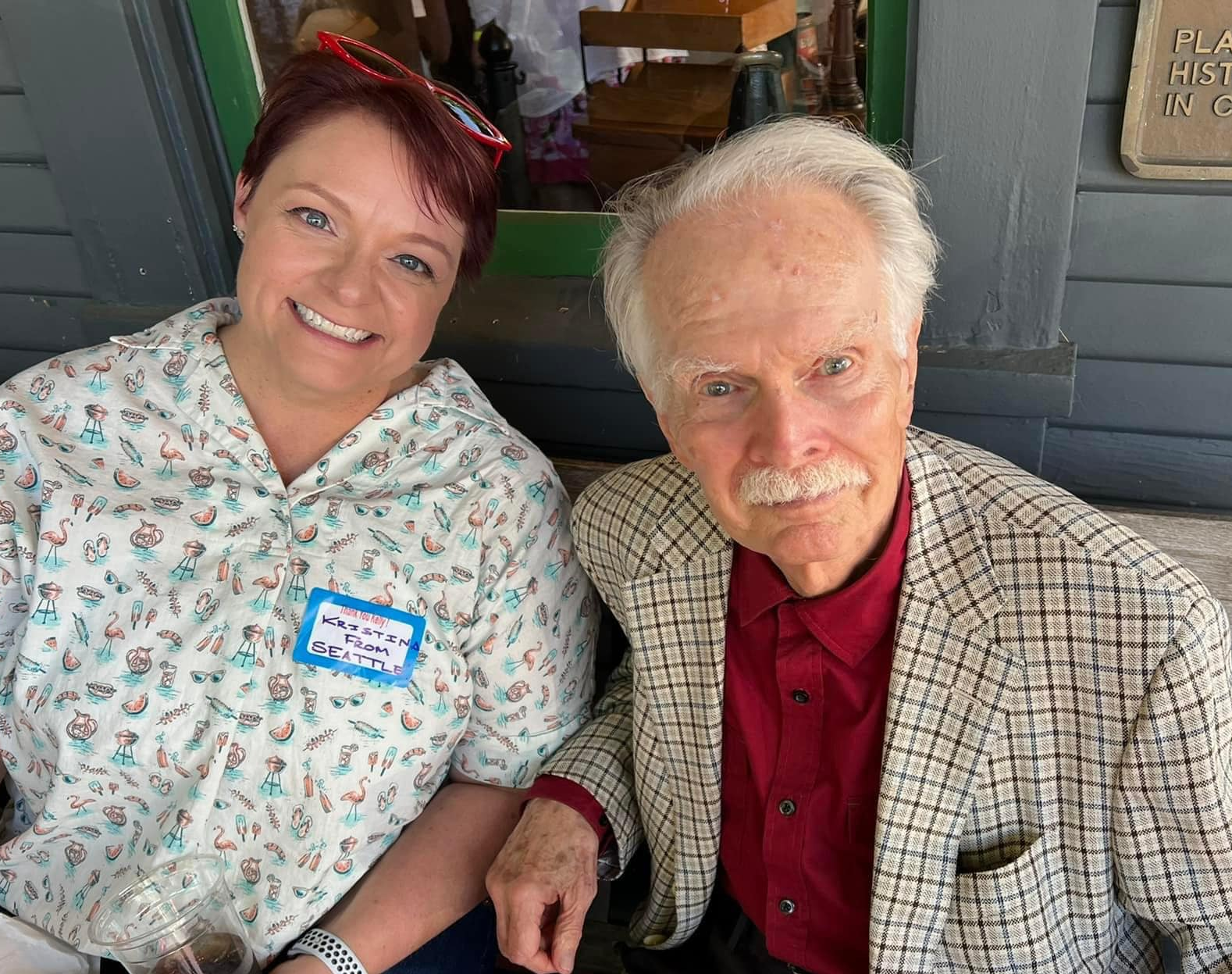
Ted had attended this event in years past but, since I had only attended my first festival in 2019 and wasn’t aware of the pre-festival party at that time, it was my first opportunity to meet him in person. He sat there quietly and alone on the bench just taking it all in when I approached and asked if I could sit next to him. His face lit up with the warmest smile and he said, “Of course!”. I proceeded to sit next to Ted for the next hour and half, talking movies and hearing his priceless stories including the crush he had on Joan Blondell on the set of A Tree Grows in Brooklyn and how he told her he wanted to marry her. He had me eating out of the palm of his hand. I absolutely could not get enough, and I wanted to sit there with him for as long as I could. For me, a life-long movie nerd, this was pure heaven. Eventually, another partygoer approached, wanting to chat with Ted and I, begrudgingly, gave up my seat. I continued to mill about the party but always keeping an eye on Ted sitting on that bench, just to make sure he was being attended to and had someone to chat with because, if not, I would happily return.
As the party began to wind down, I returned to Ted and said my goodbyes to him. I thanked him for his time, for sharing his stories, for indulging me in my fandom, and we parted with a hug. I said that I looked forward to seeing him again soon and he flashed his warm, sassy smile. Returning to my room at the Roosevelt, I called my husband to tell him about the party and that I had finally had the opportunity to meet and talk with Ted. My husband is not a big movie guy, but he lovingly indulged me as I was speaking about a million miles an hour about my interaction with Ted that afternoon. I had all but forgotten the frustration and stress I had dealt with earlier in the day as I basked in the pure pleasure of having spent time on the porch with Ted.
Ted never married, never had children, and lived much of his life alone. When I learned more about his post-acting life, it made me sad that someone as talented, special, and with such great stories to tell lived a much more solitary existence than many might have imagined. Later in his life, he was befriended and adopted by a couple who met him at the TCM Film Festival and helped to look after and care for him as he grew older. So, just maybe, he had enjoyed that conversation in the patio as much as I did because it made him realize that he was far from forgotten and far from alone. He was well remembered, cherished, and was wrapped in the loving and warm embrace of the TCM Film Festival family. The more I learned about Ted, the more questions I had for him, the more time I wanted to spend with him, and the more I wished that I had been able to meet him years earlier.
In 2023, as I was counting down to the next TCM Film Festival and the pre-fest party, I was so excited to see my friend Ted once again, hear more of his stories and find out what adventures he had been up to for the past year since we had seen each other. On March 1, 2023, I received a call from a dear TCM friend who was in touch with Ted and his adopted family who shared with me that Ted had, sadly, passed away earlier that day. My heart just broke. The tears came quickly and, even though I had only spent an hour and a half with him, I considered Ted a friend. Now a friend that I wouldn’t have the opportunity to sit with on the porch and chat with again.
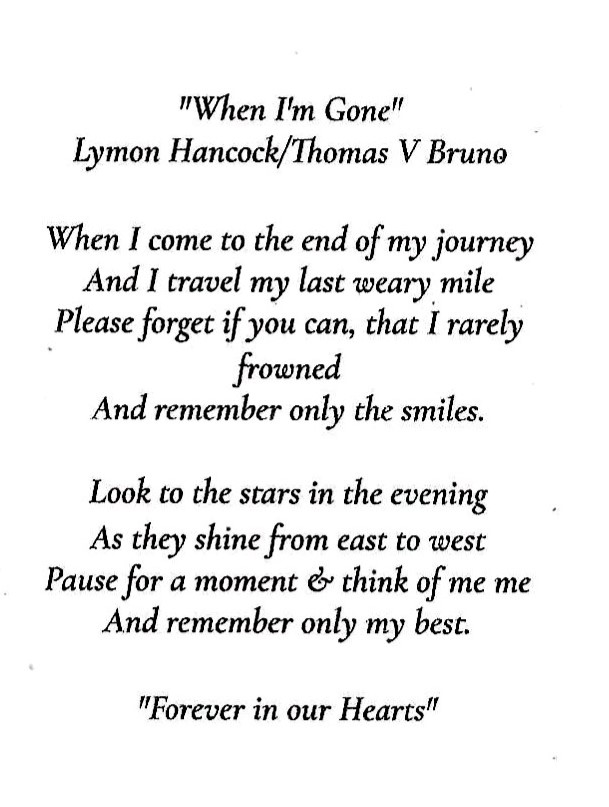
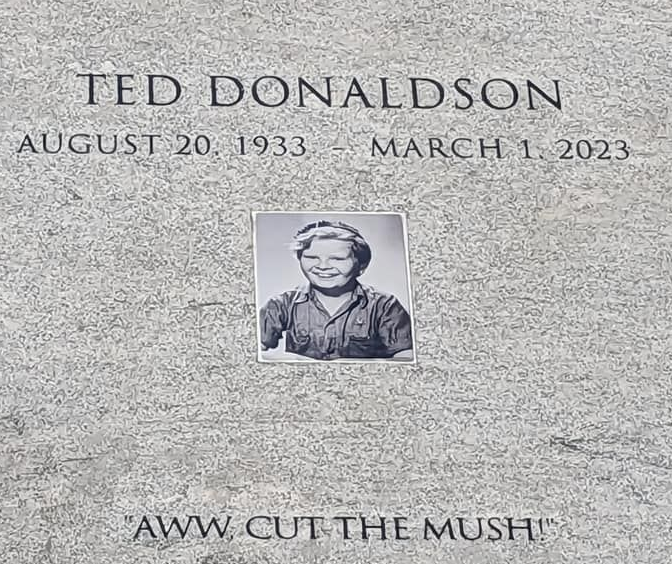
A few weeks later, Ted was laid to rest at the Hollywood Forever Cemetery. Just days before the memorial, I had returned from a trip and contracted COVID making it impossible for me to attend in person, but my heart was certainly there. Whenever I am in LA, I make time to visit my friend Ted although, sadly, the conversation is now just one sided. I like to think of Ted being greeted by is childhood crush, Joan Blondell, his parents, and his fellow co-stars upon his arrival in heaven – that makes me feel a little bit better in those moments when I miss having him here on Earth.

As the 2024 TCM Film Festival approaches, I will return to that bench on the porch of the Hollywood Heritage Museum, surrounded by my friends and fellow film lovers, always pausing for a bittersweet moment to remember my pal, Ted.
 PlayItAgain.blog
Oh, Kristina. Ted was Such a sweet man and so happy to be *One of Us*!! This tenderhearted post about him, your introduction-on-TCM journey, and the challenges that befell you that fate-filled day in 2022 is so touching. I truly believe it was a God-thing that you walked into the party at the Exact same time as I was needing someone to hang out with our beloved Ted. I say it was God because I was so wrapped up in making sure the party was going without a hitch that I didn’t even remember about A TREE GROWS IN BROOKLYN until you reminded me way after the party ended. Thank you so much for this beautiful remembrance. xoxo
LikeLike