

Experts estimate that 80% of Americans have at least one sibling and, in fact, many people now celebrate National Sibling Day to honor their loved and cherished siblings. In 2024, National Sibling Day was April 10th and it made me think about siblings who decide to follow the same career path. Often, siblings can be as different as night and day; however, other times, siblings can share similar interests, hobbies, and career goals, which may lead them to pursue identical occupations such as teachers, doctors, lawyers, and, even, performers.
While many of you might be aware of current Hollywood siblings, I wanted to shed some light on a few names you might be less familiar with, not all of whom are in front of the camera, and highlight my favorite films written, directed, produced or starring these talented performers.
As I was compiling my list to begin writing, it became clear to me that this is a piece which will require a few segments so it wouldn’t be too overwhelming. I hope you enjoy Part 1 and stay tuned for the remaining posts as I continue to share with you more about Hollywood Siblings: The Good, The Bad, and The Ugly.
The Warner Brothers
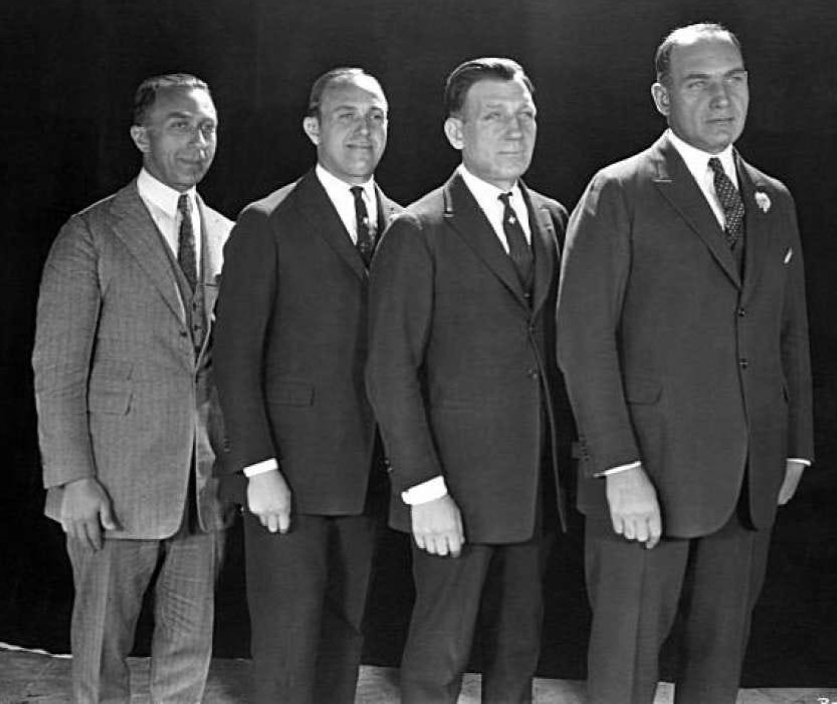
While Harry, Albert, Sam and Jack Warner might not be known for their on-screen performances, they are certainly legends in Hollywood history, having founded the Warner Brothers Studio in 1923. Their collective vision, drive and passion shaped the landscape of the film industry, and, without these four famous siblings, Hollywood simply wouldn’t be Hollywood, even today.
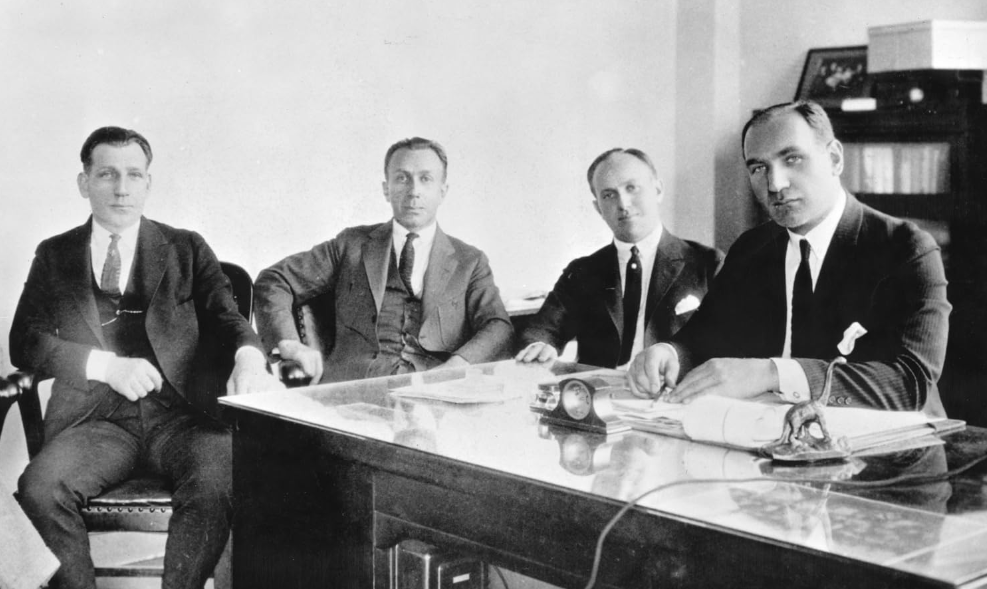
The Warner Brothers were from a large Jewish family, eleven children in total, who immigrated to the United States in October 1889. Eventually settling in Youngstown, Ohio, in the late 19th century, Sam Warner was the first to recognize the potential of the entertainment industry when, in the early 1900’s, he created a business partnership with another Youngstown resident. Taking control of the city’s Old Grand Opera House, Sam and his partner used the venue for “cheap vaudeville and photoplays”. Although that venture failed after one summer, Sam was not deterred, and, after having secured a job as a projectionist at a local amusement park, he convinced his family to establish another entertainment enterprise. Sam secured the purchase of a Model B Kinetoscope and, along with his brother Albert, worked to have showings of Thomas Edison’s The Great Train Robbery throughout Ohio and Pennsylvania at carnivals.
In 1905, Harry Warner decided to sell his bicycle shop and join his two brothers in the entertainment business. With the money Harry made from the sale of his shop, the brothers were able to buy a building in New Castle, Pennsylvania and open The New Castle Movie Palace. This venture was so successful that the brothers bought a second theater, which they owned and ran until 1907, when they moved into movie distribution.
In 1910, the Warner Brothers pooled their resources and moved into film production, initially supporting Carl Laemmle’s Independent Moving Pictures Company and working as a distributor for his films. Then, in 1912, the brothers made a profit from Dante’s Inferno and, after 1918, decided to break with Laemmle and start their own production company, Warner Features. Also in 1918, the brother’s had additional profits from the success of My Four Years in Germany and were able to establish a studio near Hollywood. Sam Warner, along with his younger brother Jack, worked as the co-heads of studio production.
On April 4, 1923, after the success of Where the North Begins, Warner Brothers, Inc. was officially established.
As the studio expanded, each brother had his own distinctive role. Albert, the eldest brother, was the businessman who negotiated deals and managed the studio’s finances. The second eldest, Harry, was the studio’s visionary, championing talent and ambitious projects. Jack, the youngest, was the charismatic salesman who had a remarkable flair for marketing Warner Brothers. Sadly, Sam died on October 5, 1927, at the age of 40 years old, just as the film he championed for having synchronized sound, The Jazz Singer, was getting ready to premiere the next day.
While soaring to great heights as a studio, the Warner Brothers faced their share of challenges, internal conflicts, and sibling rivalries that threatened to derail their personal lives and collective vision for the studio itself.
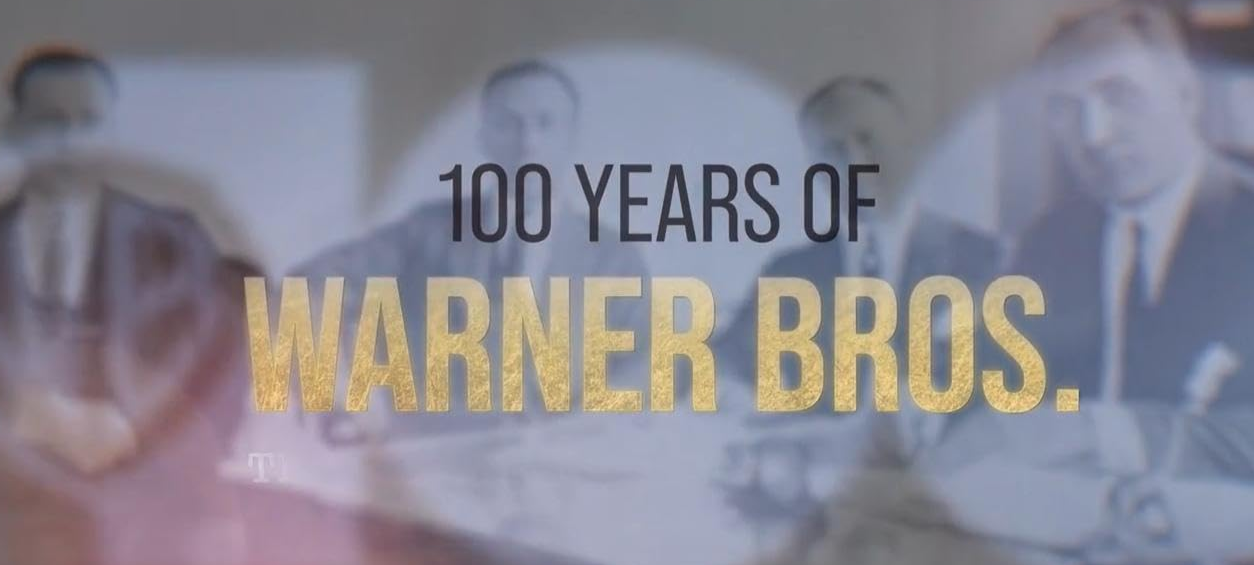
If you are interested in learning more about the men, legend, myth, and stories behind Warner Brothers, there is a great miniseries available, released in 2023 to celebrate their 100th anniversary, titled 100 Years of Warner Brothers.
The Marx Brothers
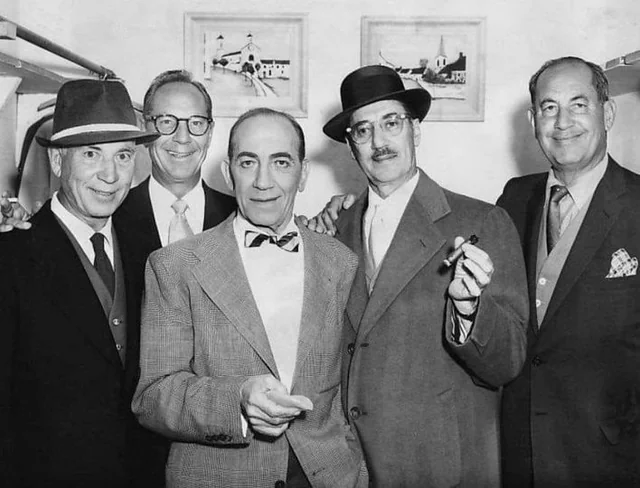
The core group of the Marx Brothers included the three eldest brothers: Leonard “Chico” Marx, born in 1887, Adolph (Arthur) “Harpo” Marx, born in 1888, and Julius “Groucho” Marx, born in 1890. Milton “Gummo” Marx, born in 1892, and Herbert “Zeppo” Marx, born in 1901, also performed with their brothers on occasion, but, as the act developed, it focused more on the three elder brothers. Gummo decided to leave the act early and became a successful businessman with endeavors in both his talent agency and, interestingly, a raincoat business. Zeppo remained with the act during its successful Broadway years and into some of their films; however, he later became a multi-millionaire with his successful engineering business.
Leonard “Chico” Marx
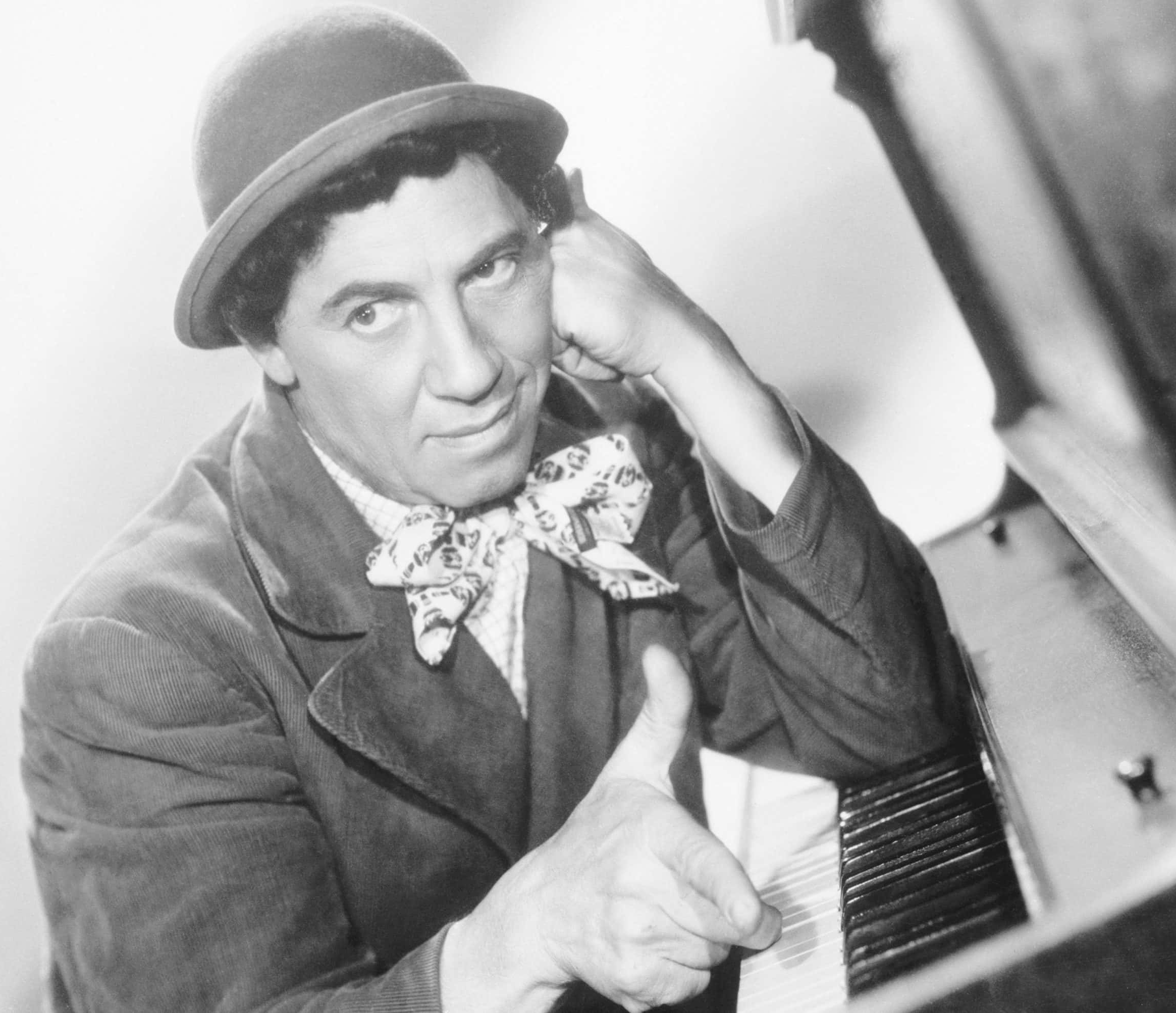
The eldest Marx brother, Chico, was born on March 22, 1887, in Manhattan. A talented pianist, he originally started playing with only his right hand and faked playing with his left. Although he did take lessons, he was largely self-taught and, from a young age, took jobs playing piano to earn money for the family. Chico’s on-stage persona took the form of a charming, crafty, but not well-educated Italian man who was often trying to outwit Groucho while conspiring with Harpo.
After the death of their mother in 1929, he became the unofficial manager of the Marx Brothers act, and, for a while in the 1930s and 1940s, he was a big band leader with the Chico Marx Orchestra, which heralded the start of crooner Mel Torme’s professional singing career at the age of 17.
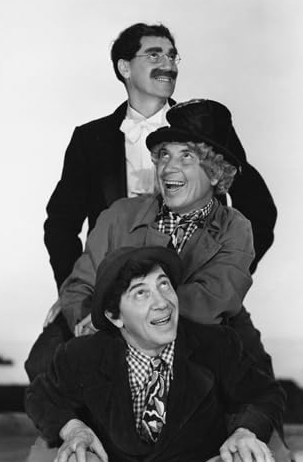
Chico had a lifelong gambling habit, which resulted in him having to work in show business well after his brothers were comfortably retired. In fact, the Marx Brother’s film A Night in Casablanca (1946) was made in large part because of his need for money and around this same time, his brother’s became aware of his addiction, seizing control of his finances and forcing him to live on an allowance in an attempt to curb his gambling.
Married twice, Chico had one daughter from his first marriage, Maxine, who he was remarkably close to throughout his life. His second marriage came just three years before his death in 1961 at the age of 74.
Adolph (Arthur) “Harpo” Marx
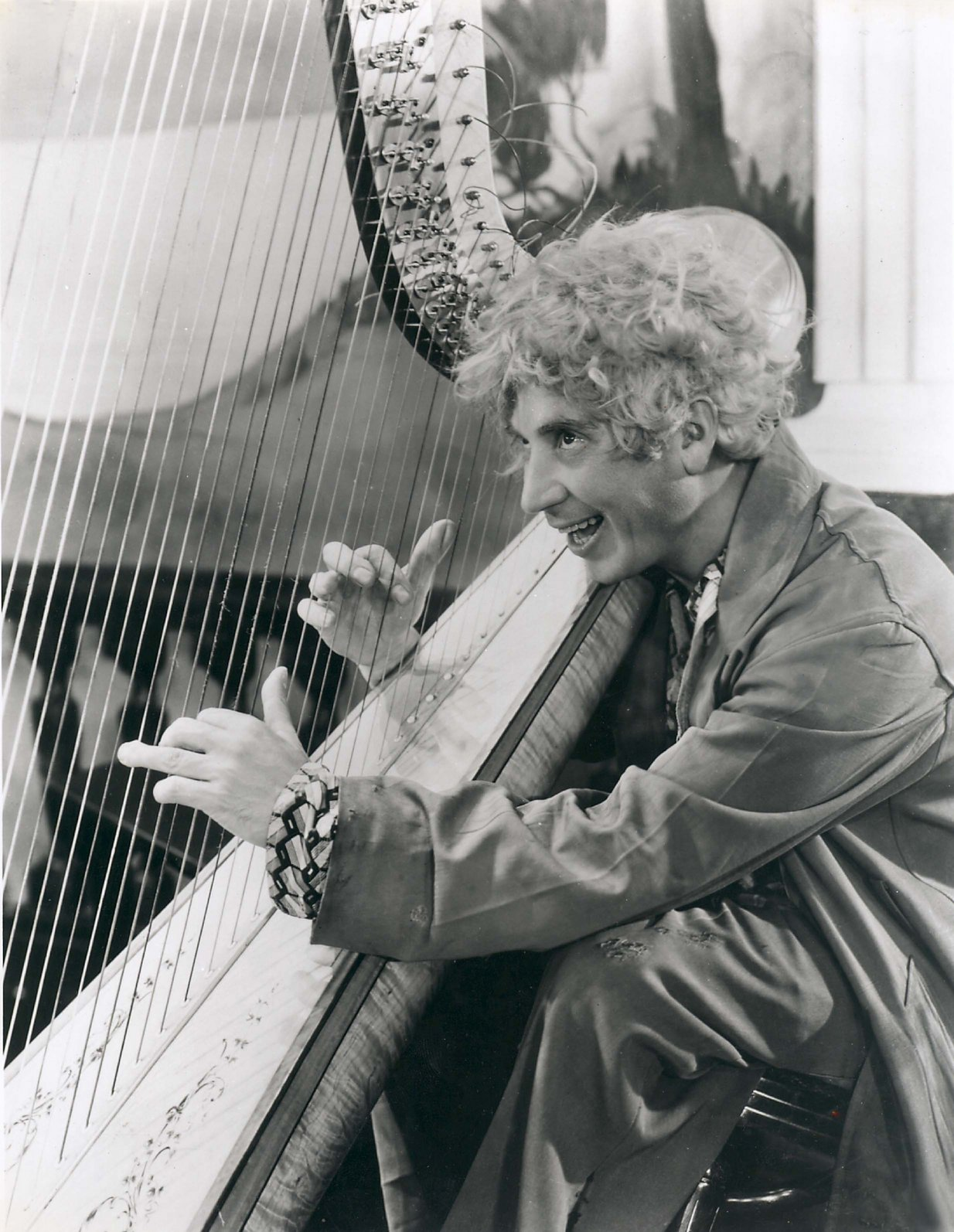
Born on November 23, 1888, Harpo was the second eldest Marx brother, also born in Manhattan and growing up on the Upper East Side of New York City. Dropping out of school at the age of eight, mostly due to bullying, he received little formal education and started working different jobs with his older brother, Chico, including playing piano for silent films, to help make ends meet for their family.
Joining his brothers in January 1910, Groucho explained Harpo’s persona as “the silent Marx brother” as out of necessity since Harpo just wasn’t very good at memorizing dialog. Lucky for him, his comedic chops, mime skills, and expressive face made his silence a non-issue as his character was able to convey anything with a mixture of whistling and pantomime.
Harpo, of course, is also well-known as a harp player and, despite his musical talent, never learned to read or write music. In fact, it is said that he learned how to hold a harp based on a picture he once saw at a five-and-dime store and often paid top musicians to help teach him how to properly play the instrument. His character also became known for his prop-laden trench coat which seemed to have an endless supply of sight gags stored in the pockets.
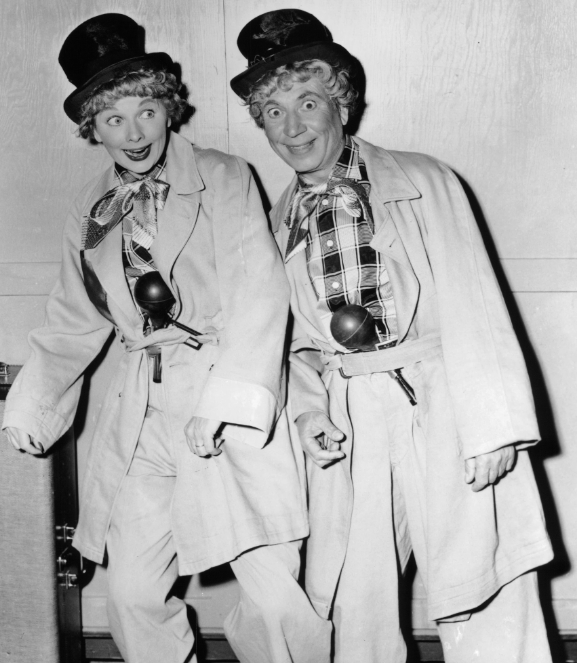
During the 1950s and 1960s, Harpo made many appearances on television, including his famous 1955 episode of I Love Lucy where he and Lucille Ball re-create the famous mirror scene from Duck Soup (1933) from 22 years prior. Other shows during this time included, Candid Camera, You Bet Your Life!, The Ed Sulllivan Show, and I’ve Got a Secret, to name a few.
Harpo married only once and he and his wife, Susan Fleming, adopted four children. In 1961, he published his autobiography, Harpo Speaks! In which he worked to dispel long-held beliefs that because his character was mute, that he was unable to speak. To that end, many who knew Harpo said he had a deep, distinctive voice, like a professional announcer but was just less loquacious than his brothers.
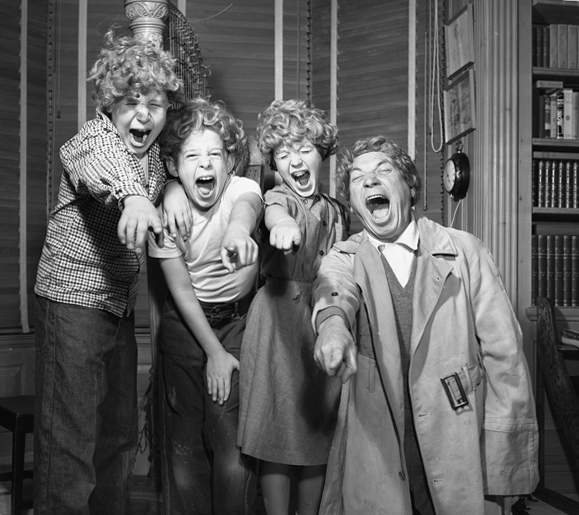
In September 1964, Harpo was admitted to a hospital in Los Angeles for a heart operation but, sadly, passed away two days after the surgery on September 24, 1964 at the age of 75. Groucho’s son, Arthur Marx, has said that Harpo’s death seemed to hit the surviving brothers extremely hard going on to report that it was the only time in his life that he had ever seen his father cry.
Julius “Groucho” Marx
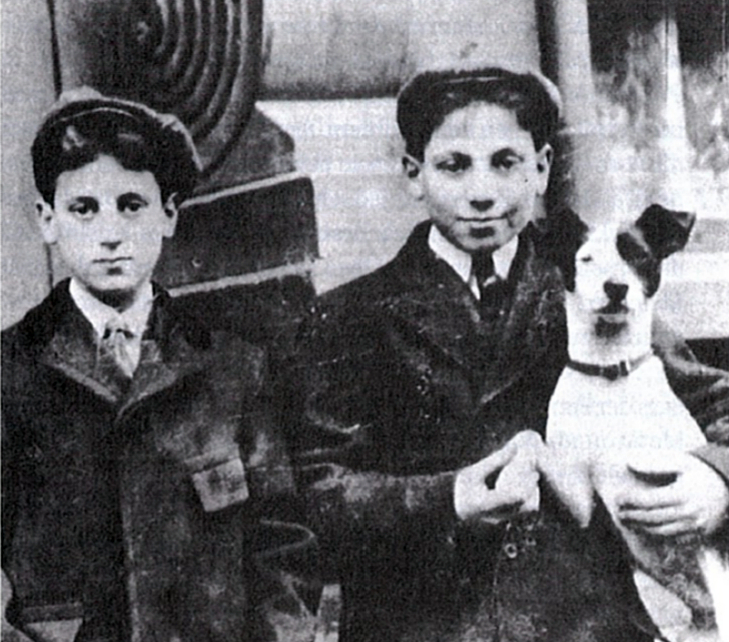
Born on October 2, 1890, Groucho, the third eldest Marx brother, also born in Manhattan, was considered by many to be the most recognizable Marx Brother. At an early age, he aspired to become a doctor and was a voracious reader; however, like his brothers, he dropped out of school at the age of 12 in order to earn money to help support his family.
Groucho’s mother had discovered that he has a pleasant soprano voice and, after failing at some low-level office jobs, he joined the Gene Leroy Trio on stage in 1905. By 1909, Groucho’s mother, Minnie Marx, had put together her very own singing group with Julius (Groucho), Milton (Gummo), Arthur (Harpo), and another boy (not a Marx brother), and they toured the Midwest.
One night, after a rather disheartening performance in Nacogdoches, Texas, the boys began telling jokes onstage to amuse themselves and, surprisingly, the audience began to laugh with them. They then modified a popular comedy skit, renamed it for their purposes, and continued to perform variations on this theme for the next seven years.
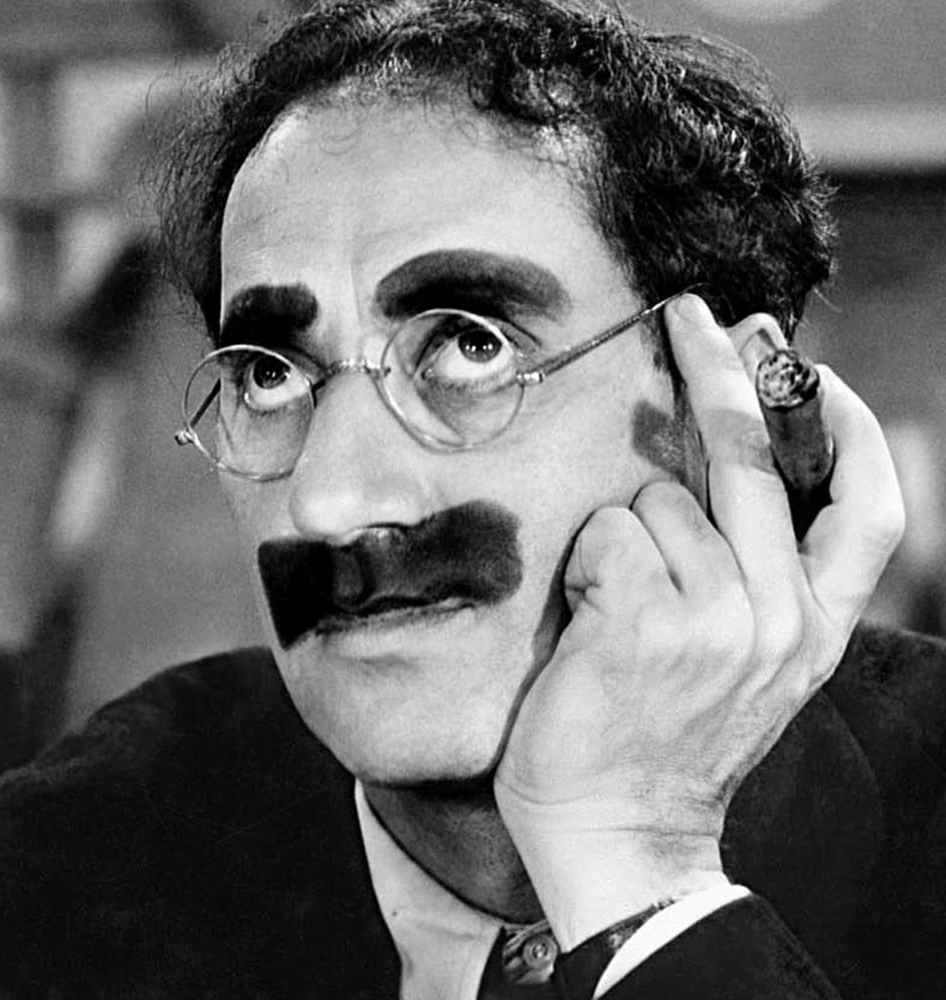
His trademark greasepaint mustache and eyebrows came about before a vaudeville performance in the 1920s when he didn’t have enough time to apply the glue-on version, which he wasn’t a fan of applying and removing in any case.
Groucho made a total of 26 movies, including 13 with his brothers Chico and Harpo, and also worked as a radio show host and comedian. Then, in 1947, he famously started hosting the radio quiz show You Bet Your Life! on ABC. The show then moved to CBS and finally NBC, where it also moved from radio to television in 1950.
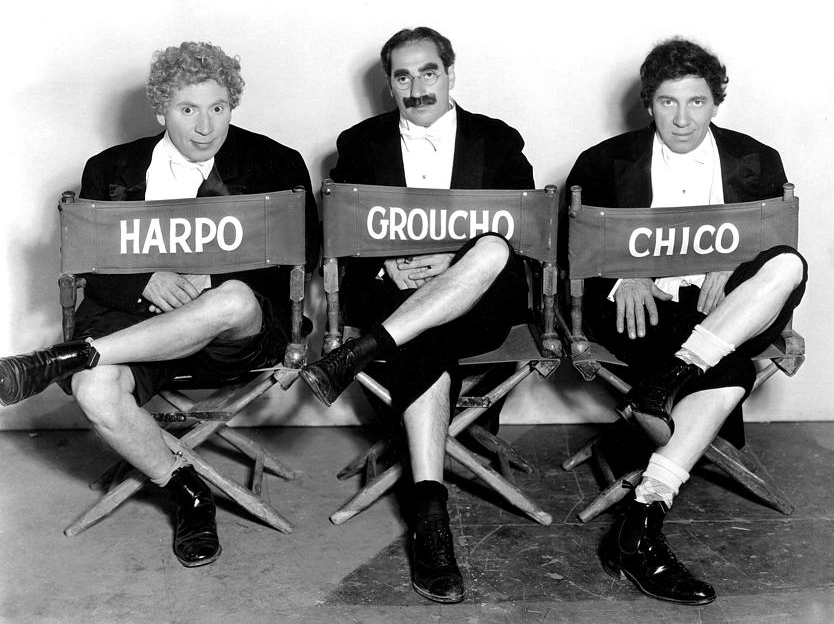
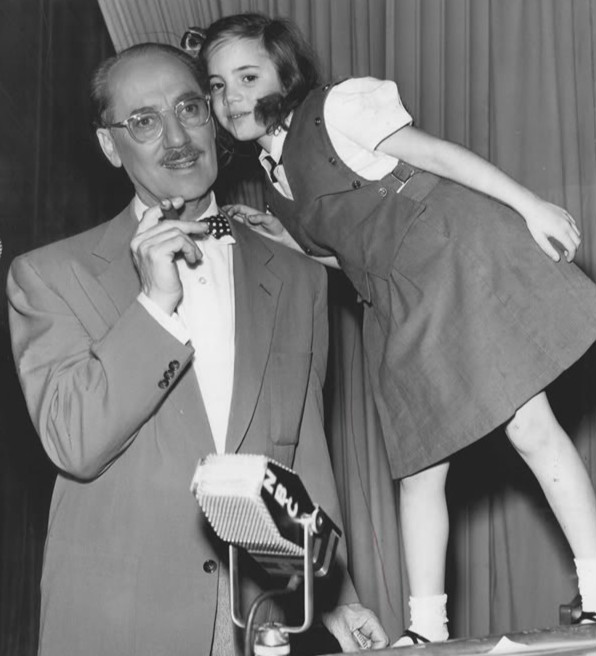
Married three times, always to women at least ten years his junior, he had three children, Arthur, Miriam, and Melinda. Although he had extraordinarily little formal education, he wrote a number of books and was good friends with many literary figures of his time. In June 1977, Marx was hospitalized with pneumonia and died nearly two months later on August 19, 1977, at the age of 86. He was preceded in death four months earlier by his younger brother Gummo and many feel that his death was overshadowed by the sudden passing of Elvis Presley three days prior to his death.
In 1991 his son Arthur Marx published a book, My Life With Groucho: A Son’s Eye View, about the comedian’s latter years and, in 1992, his daughter, Miriam published a collection of his letters to her in a book titled Love Groucho.
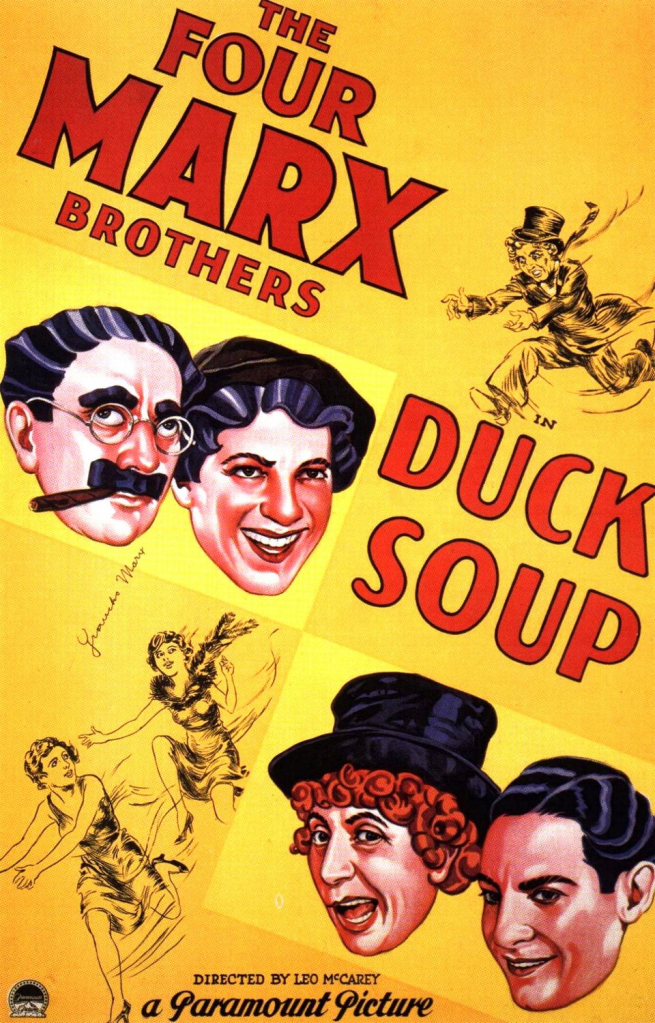
My favorite Marx Brother movie is…..Duck Soup (1933)
Duck Soup is by far my favorite Marx Brothers movie for a number of reasons. It was the very first Marx Brother movie I was introduced to and I could not stop laughing. The songs, the silliness, and the witty dialogue, to me, never get old and the lampooning of politics and politicians is always great movie fodder. Add to the mix the fact that I once had a boyfriend sign a card he sent to me with the name Rufus T. Firefly, this movie lives deeply rooted in my heart.
Lionel, Ethel, and John Barrymore
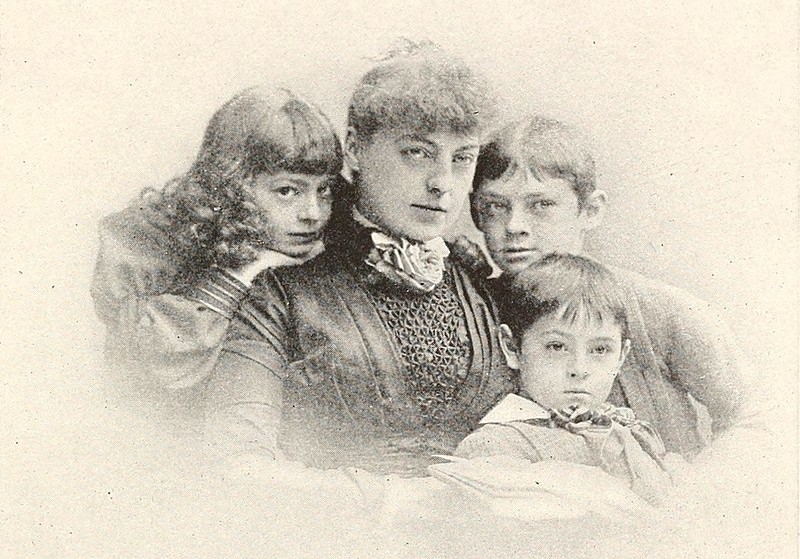
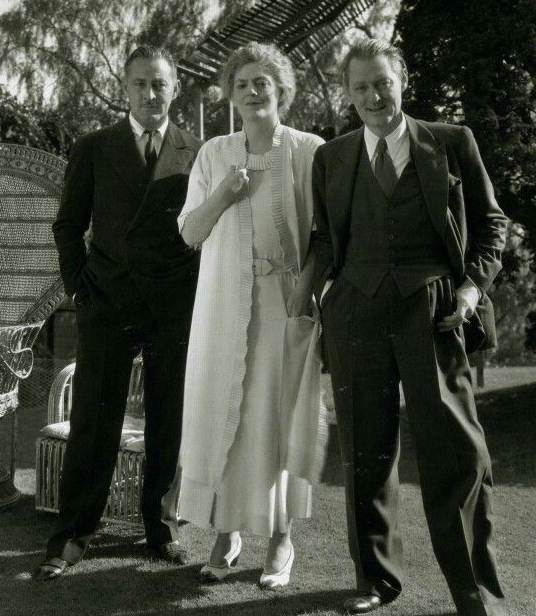
The Barrymore Family is often called the “first family of Hollywood,” with multiple generations of family members becoming actors and actresses or having some involvement in Hollywood during their lifetimes. The family dynasty began back in the 19th century with actor Maurice Barrymore, a stage actor, and his wife, actress Georgiana Drew and it was their three children, Lionel, Ethel, and John, who really propelled the dynasty forward.
Lionel Barrymore
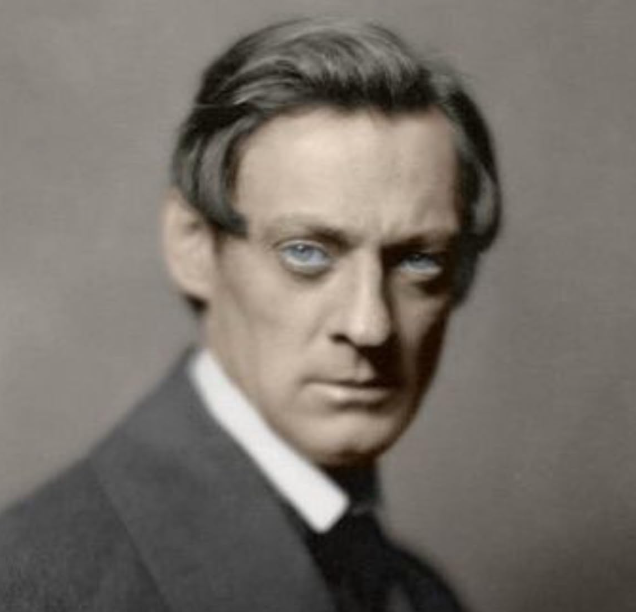
Born in April 1878 in Philadelphia, PA, Lionel Herbert Blythe would eventually begin using the family’s stage name, Barrymore, after he joined the family business in the mid-1890’s, acting alongside his grandmother, Louisa Lane Drew. During his career, his focus was more on film rather than stage acting, appearing in his first on-screen role in a short titled The White Caps in 1905. Although this role was uncredited, it was just the beginning of what would become a long and distinguished career in Hollywood, including an Oscar nomination in 1930 as Best Director for Madame X and an Oscar win in 1931 as Best Actor in a Leading Role for his performance in A Free Soul.
Appearing in over 200 roles on screen, many of his most famous roles included:
- Otto Kringelein in Grand Hotel (1932) in which he starred alongside his brother, John Barrymore and Joan Crawford
- Oliver Jordan in Dinner at Eight (1933) sharing the screen with Jean Harlow and, once again, his brother John
- Billy Bones in Treasure Island (1934) with Wallace Beery and Jackie Cooper
- Dan Peggotty in David Copperfield (1935) with Freddie Bartholomew, W.C. Fields and Basil Rathbone

- Colonel Lloyd in The Little Colonel (1935) with Shirley Temple, Bill Robinson, and Hattie McDaniel
- Disko in Captains Courageous (1937) with Spencer Tracy and, once again, Freddie Bartholomew
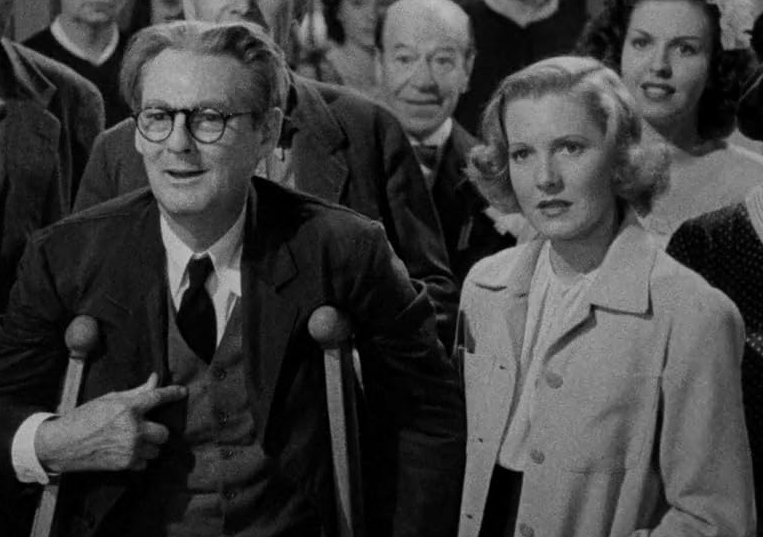
- Martin Vanderhof in You Can’t Take It With You (1938) with Jean Arthur and James Stewart
- James Temple in Key Largo (1948) with Humphrey Bogart, Edward G. Robinson, and Lauren Bacall
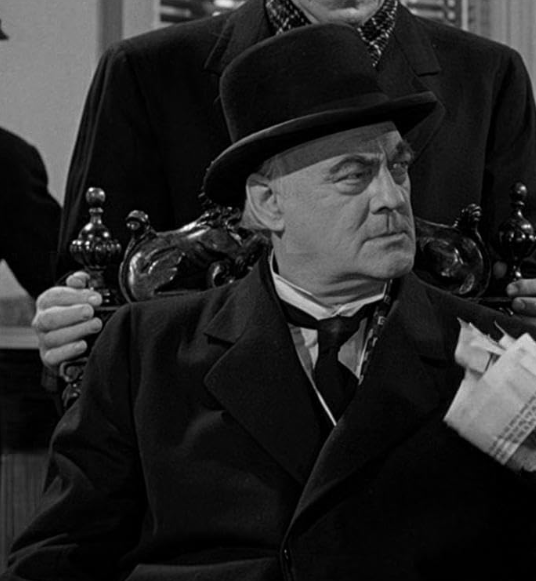
Despite all of these memorable roles, he is often best remembered for his role as cranky, miser Mr. Potter is the penultimate Christmas film, It’s a Wonderful Life (1946) starring James Stewart, Donna Reed, and Henry Travers.
During his lifetime, Lionel suffered from numerous medical issues, some due to accidents and others due to addiction. It was well known that by 1929 he suffered from arthritis and, as a result, by this time, was already addicted to morphine . Then, in 1936, a drawing table fell on him, breaking his hip, only to have the hip broken again in 1937 while working on the set of Saratoga. It was rumored that the injury was so painful that Louis B. Mayer provided Barrymore with $400 worth of cocaine every day to help him manage the pain and allow him to get some sleep. True or not, those injuries, coupled with arthritis, eventually led to his being confined to a wheelchair because it had become so difficult for him to walk. His appearance in Captains Courageous was his final screen role, where he is seen standing and walking without assistance. By the time he appeared in You Can’t Take It With You in 1938, he was able to make brief stints on crutches; however, the pain was so excruciating that he required hourly shots of painkillers. From then on, he used a wheelchair; however, he was able to stand for brief periods of time.
Although most well-known as an actor, he did have other success as a composer, graphic artist, novelist, and horticulturalist, growing roses on his Chatsworth Ranch. Lionel died after suffering a heart attack on November 15, 1954, at the age of 76.
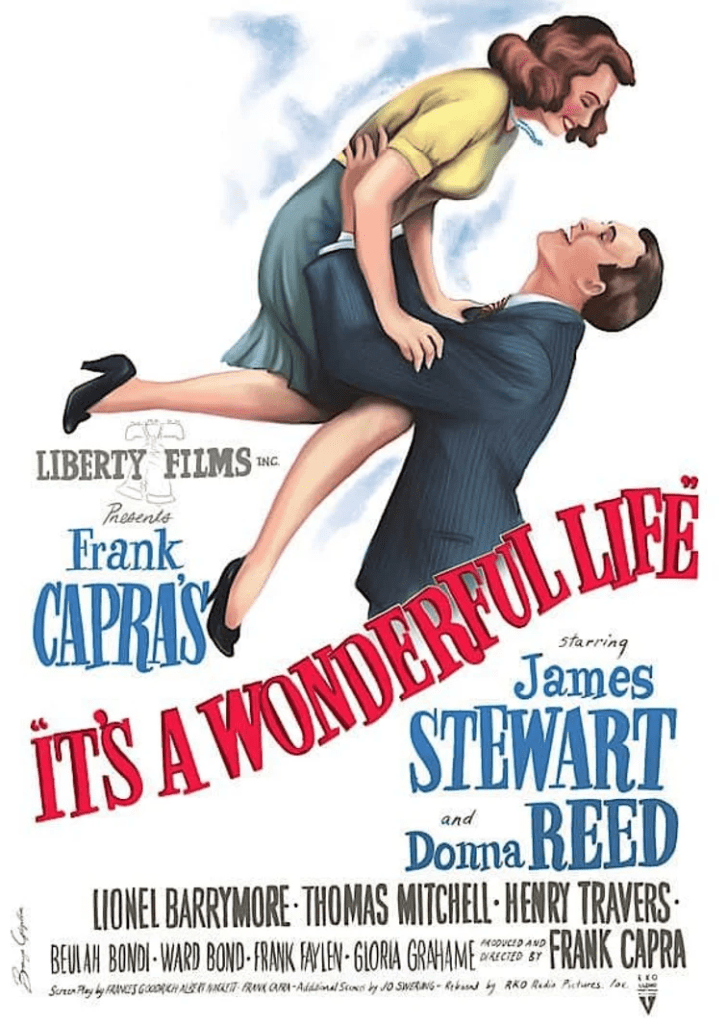
My favorite Lionel Barrymore movie is….It’s a Wonderful Life (1946)
In his role as Mr. Potter, Barrymore was the perfect villain to the most beloved man in town, George Bailey, played perfectly by James Stewart. These actors and characters are the perfect foils for each other and there is nothing I love more than seeing George Bailey triumph over the scheming, crotchety, cheat, Mr. Potter.
Ethel Barrymore
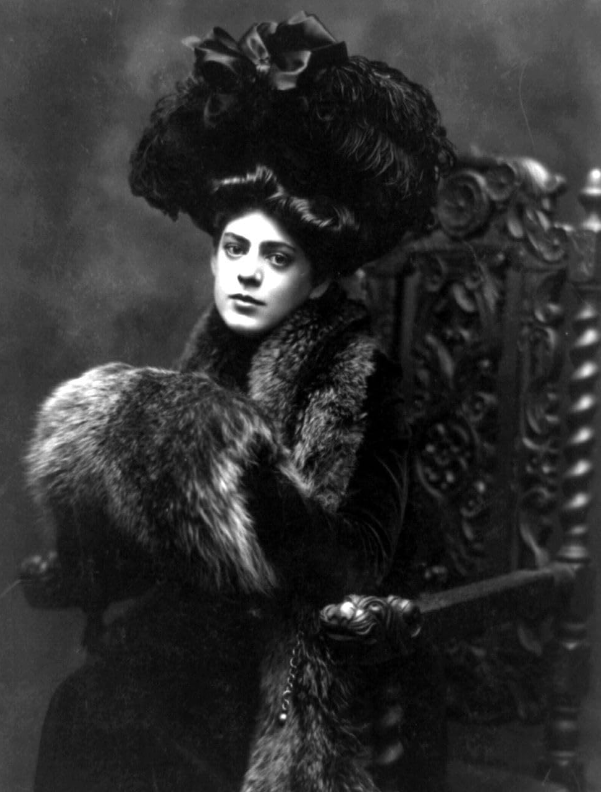
Born in August 1879 in Philadelphia, PA, Ethel Mae Blythe, did not set out to become an actress and follow in her older brother’s footsteps. Ethel attended a traditional girls’ school and was planning on becoming a concert pianist. Following their mother, Georgiana’s death in 1893 from tuberculosis, both Ethel and her older brother John were forced to leave school and go to work to help support the family. Eventually, the siren call of the stage was too strong and lured her into career as a stage actress in 1895 at the age of 16 years old, eventually earning the moniker, “The First Lady of the American Theatre”.
Appearing on stage in both New York and London from 1895 – 1911, she did eventually heed the call to Hollywood, and won audiences over with her first onscreen appearance in The Nightingale in 1914. While she continued to have screen roles, she also pursued her career on-stage simultaneously, even playing Juliet in Romeo and Juliet in 1922.
A strong supporter of the Actors Equity Association, she had a high-profile role in their 1919 strike as they sought to allow performers to have a bigger share of the profits of stage productions and to help provide care and benefits for elderly or infirmed actor’s. Many believe this was a cause near to her heart due to the fact that both of her parents, who were actors, needed care later in life and had no support. As a result of her strong stance with the AEA, she lost her friendship with actor, producer, and songwriter George M. Cohan.
Putting Hollywood roles on the backburner for nearly 10 years, Ethel continued to work on stage including one of her most memorable roles as Miss Moffat in The Corn in Green. Returning to Hollywood, Ethel appeared alongside both of her brothers in Rasputin and the Empress (1932) and won an Academy Award for Best Supporting Actress for her role as Ma Mott in None But the Lonely Heart (1944), sharing the screen with Cary Grant.
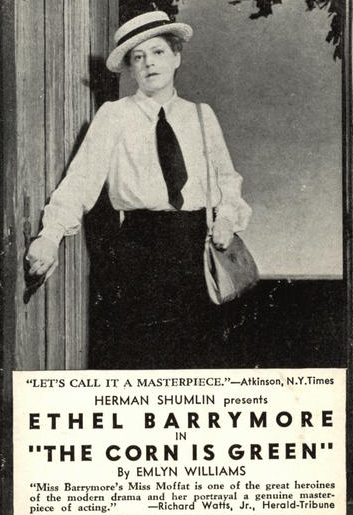
The Corn is Green (1940 – 1943)
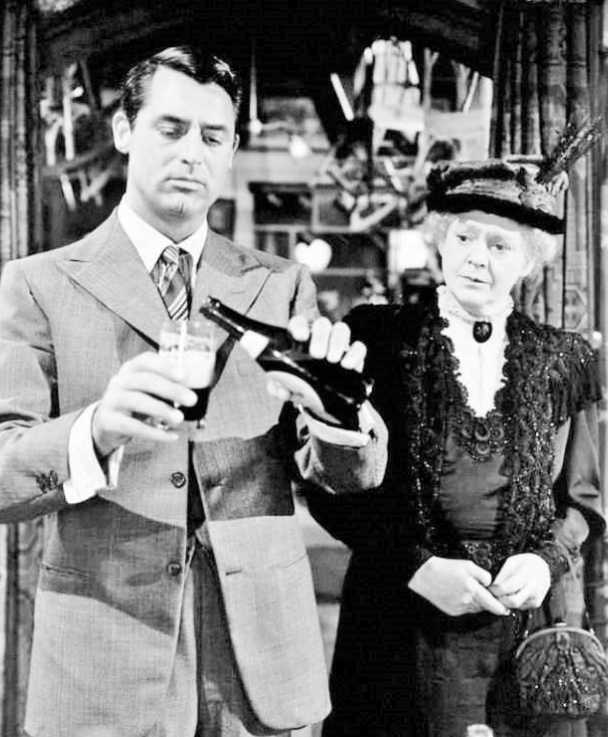
None But the Lonely Heart (1944)
Moving to Southern California in 1940, she continued to focus on more film roles including some of her most famous:
- Mrs. Warrn in The Spiral Staircase (1946) with Dorothy McGuire and George Brent
- Mrs. Morley in The Farmer’s Daughter (1947) with Joseph Cotten and Loretta Young
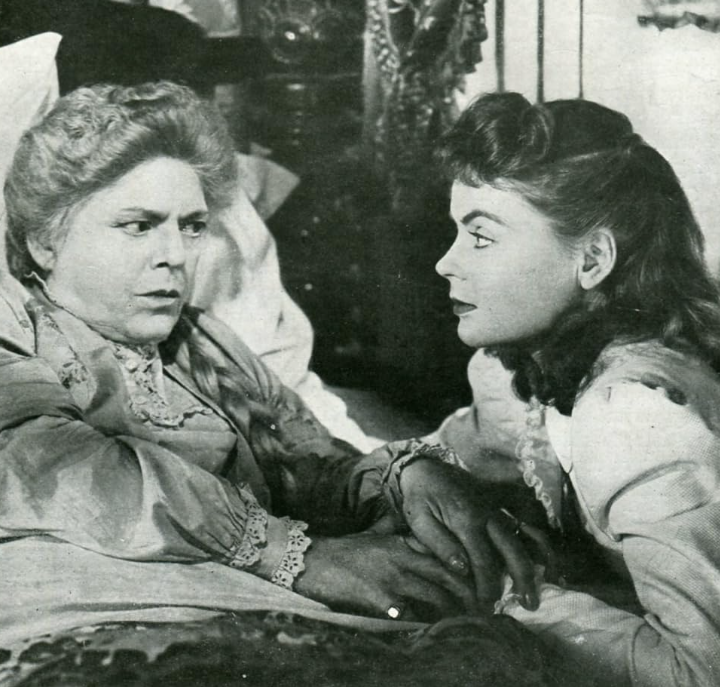
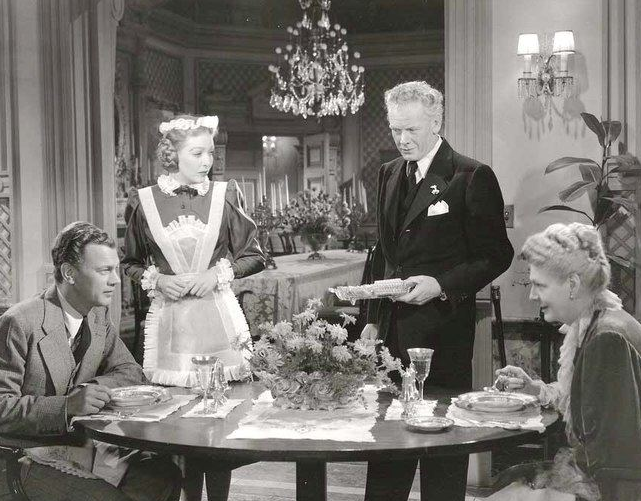
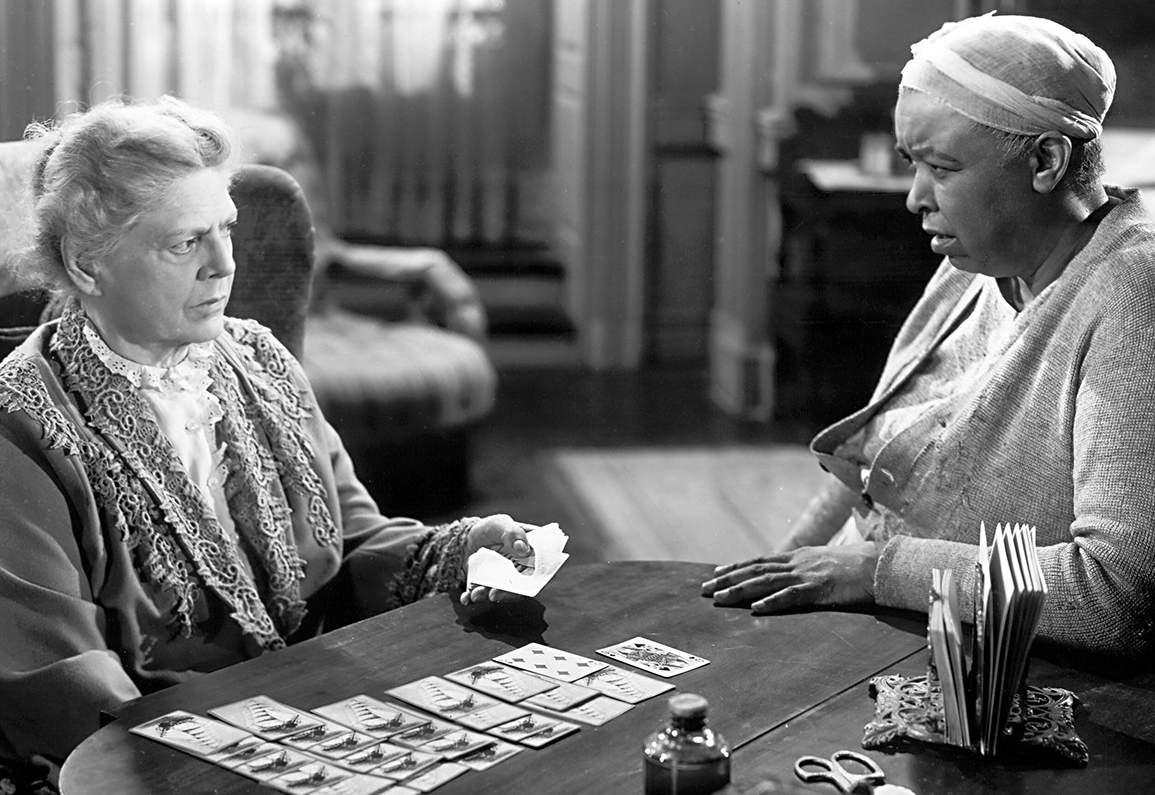
- Grandmother in The Great Sinner (1949) with Gregory Peck, Ava Gardner, Melvyn Douglas, and Walter Huston
- Miss Em in Pinky (1949) with Jeanne Crain and Ethel Waters
Ethel married Russell Griswold Colt in March 1909 and the couple had three children, Samuel Colt (1909), Ethel Barrymore Colt (1912), and John Drew Colt (1913). Her daughter, Ethel, was the only child to pursue a career in the arts becoming an actress, producer, and soprano.
Sadly, Ethel died on June 18, 1959, from cardiovascular disease, having suffered from a heart condition her entire life. She was less than two months away from celebrating her 80th birthday at the time of her passing; however, she is still remembered on the Great White Way having the Ethel Barrymore Theatre built and named for her by the Shubert family in 1928, retaining the name to this day nearly 100 years later.

My favorite Ethel Barrymore movie is….None But the Lonely Heart (1944)
Ethel’s performance in this film is the emotional core and displays her amazing talent, giving a deeply moving, nuanced performance as a woman who is carefully balancing her loving strength as a mother and her heartbreaking fragility as a woman dealing with a terminal illness. I believe that Barrymore drew on her own experience of pain and loss when breathing life into Ma Mott, leaving a lasting performance for the ages.
John Barrymore
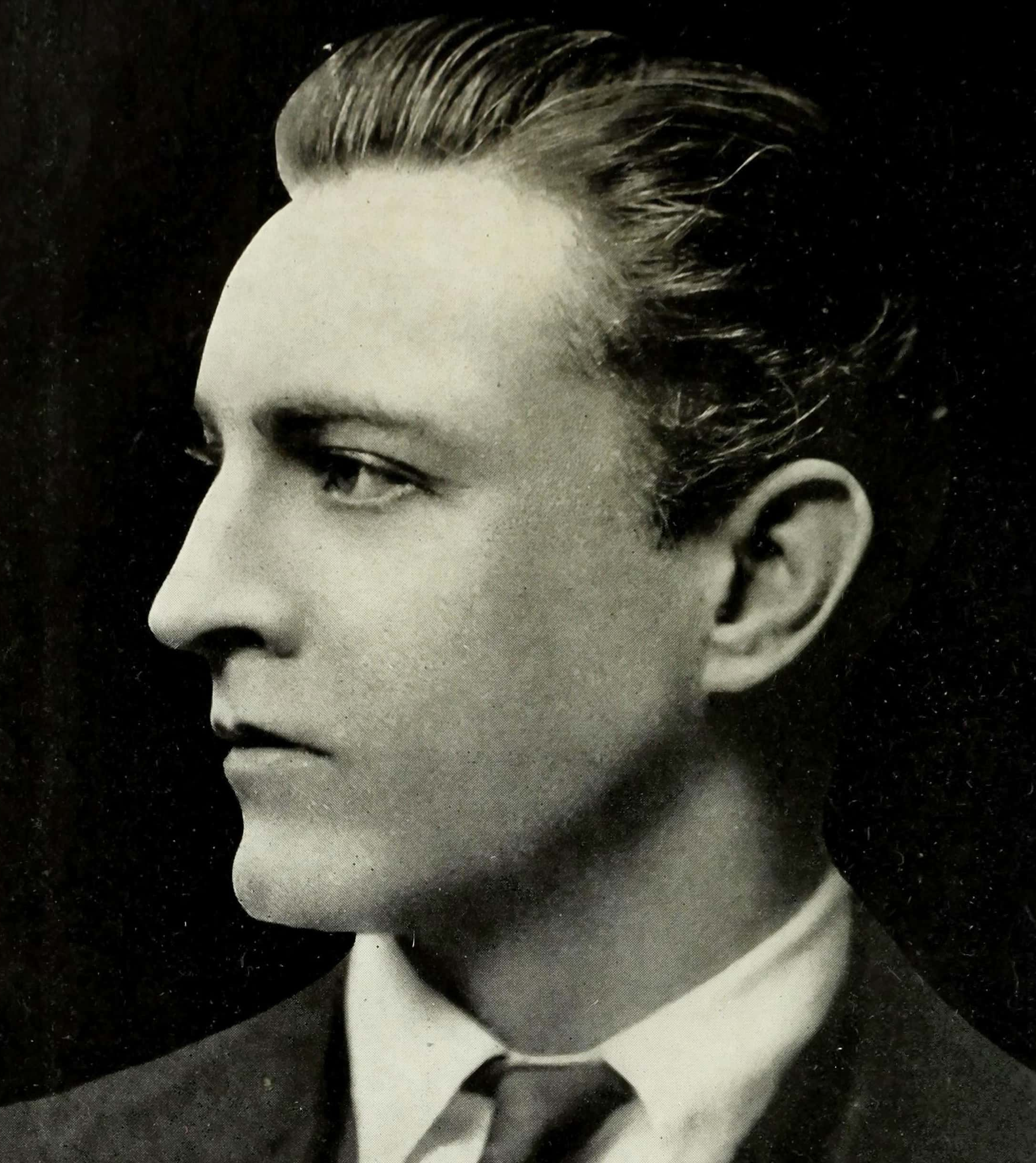
The third member of the most famous generation of one of America’s most renowned theatrical families, John Sidney Blyth was born on February 15, 1882, in Philadelphia, PA, and was known as Jack by family, friends, and colleagues. Due to his theatrical family’s nomadic existence, much of his early life was unsettled, and he was often known to misbehave because of this lifestyle, repeatedly being sent away to schools in an effort to give him structure and discipline, which were sorely lacking in his life. Raised mostly by his grandmother, Louisa Drew, and sent to a variety of schools, including Seton Hall and Mount Pleasant Military Academy, Barrymore’s life only became more difficult following the death of his mother when he was only 11 years old. Continuing to bounce from school to school, Barrymore found satisfaction as a freelance artist and, by the summer of 1900, had secured work as an illustrator on The New York Evening Journal.
Although he professed to hate the profession of acting, John was eventually persuaded by his father, in 1900, at the age of 18, to join him on stage for a few performances in a play that he had produced, A Man of the World. The following year, when a young actor became unavailable in a production his sister, Ethel, was appearing in, she convinced the director to give the minor role to her brother,. While not his finest moment on stage, the experience had a major impact on John, and by 1902, after having lost his position with the newspaper as a result of his drinking, he finally “succumbed to the family curse, acting.” Barrymore was later quoted as saying, “There isn’t any romance about how I went on stage…I needed the money.”
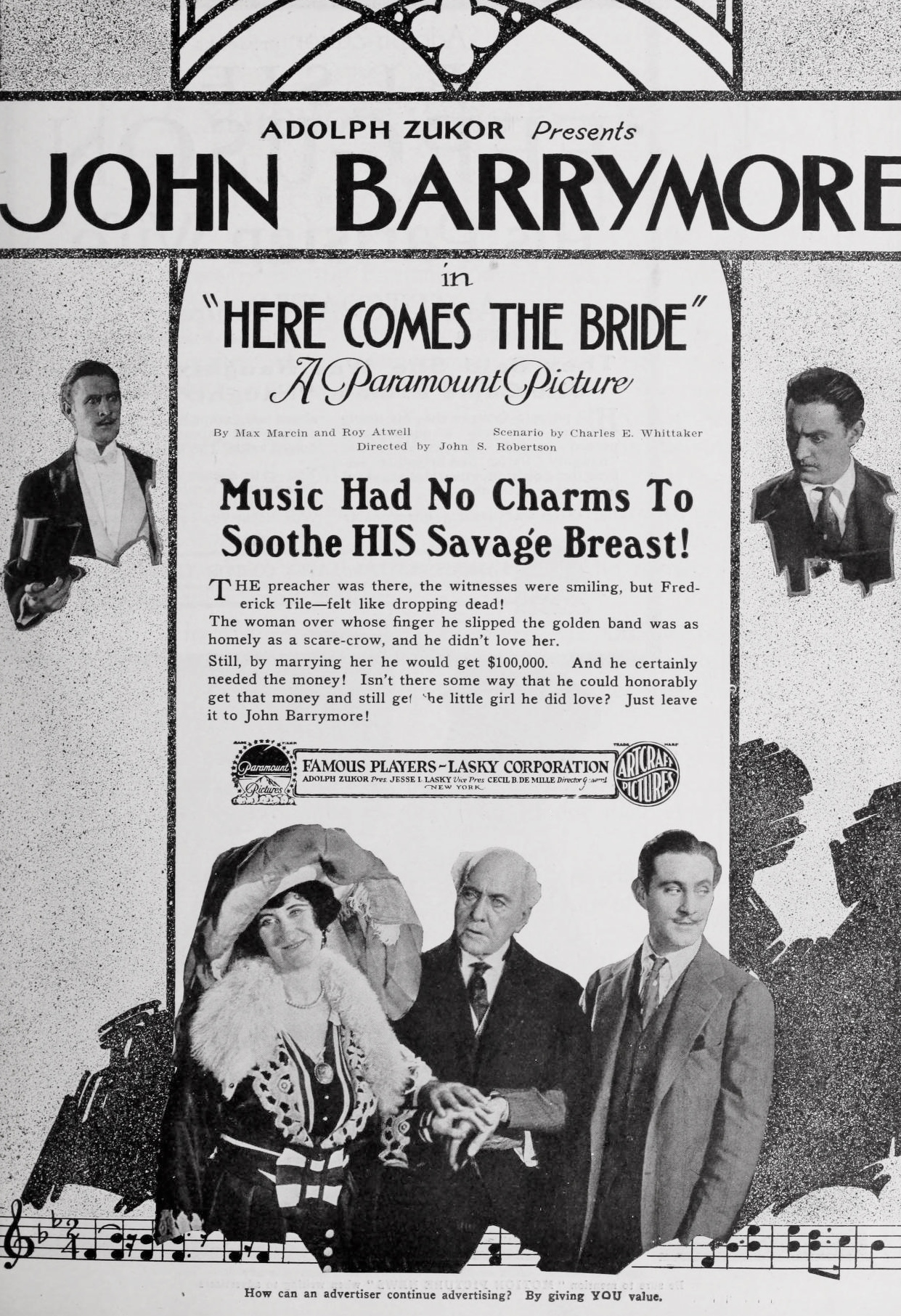
Barrymore focused on his stage career until 1914, when he made his first feature film appearance in An American Citizen in which he reportedly delighted audiences with his “light touch” in the romantic comedy. Then, in 1919, he appeared in the film adaptation of the Broadway play Here Comes the Bride followed by his highly successful turn in the dual roles of Dr. Jekyll and Mr. Hyde in the 1920 film.
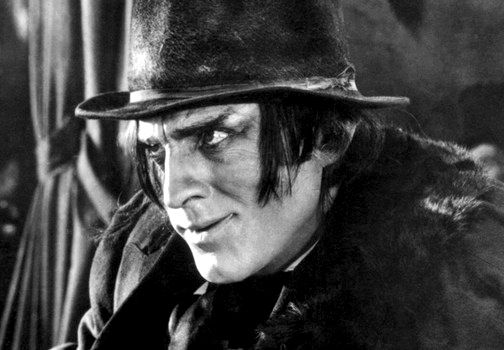
Although he could earn more money in films than on stage, John continued to pursue as many stage roles as possible and, after his successful turns as Richard III and Hamlet, interest from major Hollywood studios, including Warner Brothers, continued to grow and he was signed to appear as the lead in the silent film Beau Brummel, released in 1924. During production for this film, 40-year-old Barrymore was very unhappy in his marriage and had an affair with his 17-year-old co-star, Mary Astor.
Disappointing box office returns prompted Warner Brothers to not offer Barrymore a contract renewal and he then took his talents to MGM, resulting in a significant reduction in his salary under the new contract. Despite his ongoing alcohol dependency, which made him unreliable and unpredictable, his turbulent relationships, and his erratic behavior, Barrymore was able to find success in some of the biggest films of the time, including:

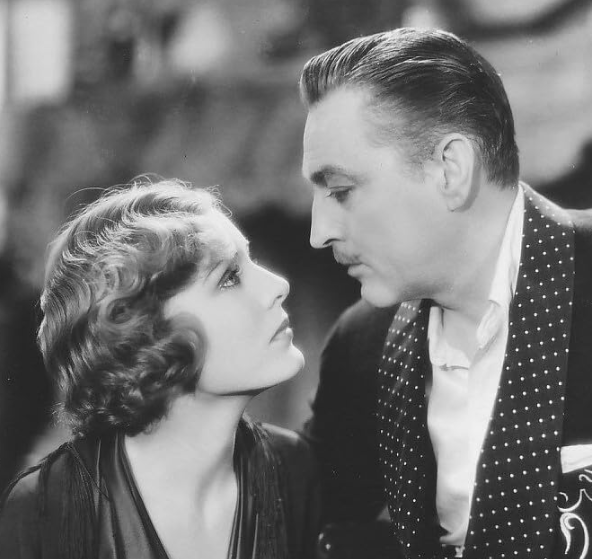
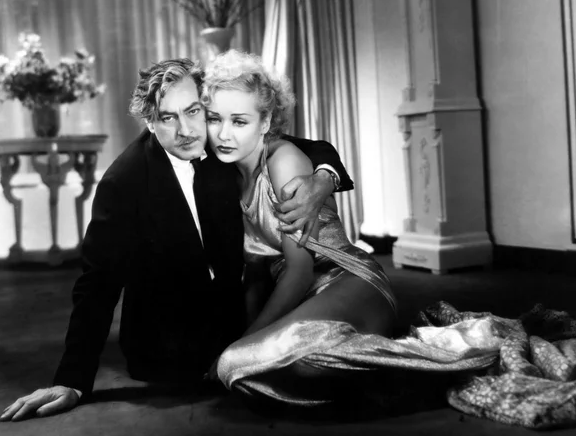
- Twentieth Century (1934)
- Romeo and Juliet (1936)
After his role as Mercutio in Romeo and Juliet, word about his problems, both on and off the set, continued to spread around the industry and, as a result, he did not appear in another film for one year. While he did continue to work on stage and in and around Hollywood, in radio and the occasional film, Barrymore’s health was in decline as a result of his alcoholism and, due to his failing memory, he became more reliant on cue cards but was well known for his ability to improvise at his worst moments on stage.
In fact, Barrymore was initially considered for the role of Sheridan Whiteside in the film adaptation of The Man Who Came to Dinner (1941), but, due to his inability to remember his lines and alcoholism, he was fired, with the role going to Monty Wolley.
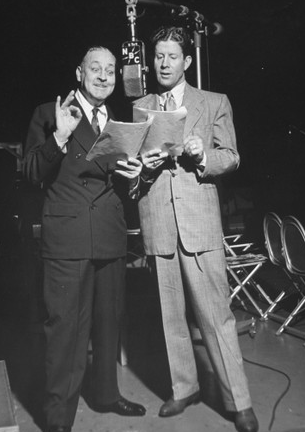
Working in radio at the end of his career, John signed with NBC Radio to appear on Rudy Vallee’s Sealtest Show. He recorded 74 episodes, mostly as a self-parody, joking about his declining career, drinking, and marital woes (he was married four times). It was during a recording session for the show on May 19, 1942, that he collapsed and, 10 days later, at the age of 60, died as a result of cirrhosis of the liver and kidney failure, complicated by pneumonia.
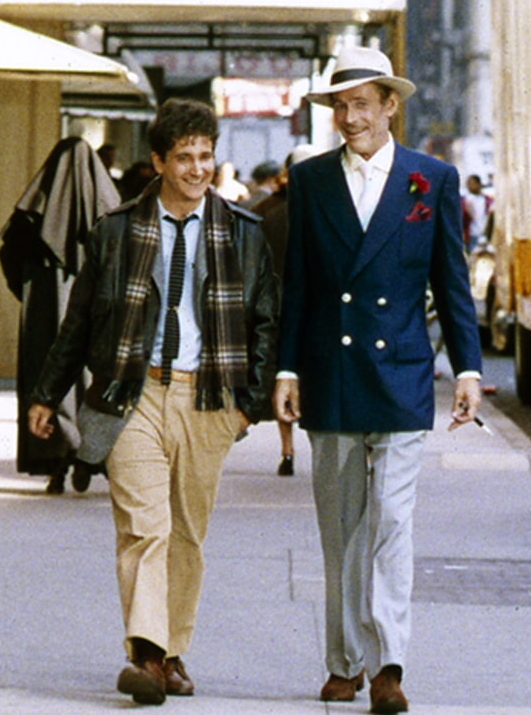
Although John Barrymore did not receive the same kind of critical success as his siblings, having never been honored with an Academy Award nomination or win, his achievements and colorful life have been used as the basis for characters on stage and screen, including the character of Alan Swann, played by Peter O’Toole in My Favorite Year (1982).
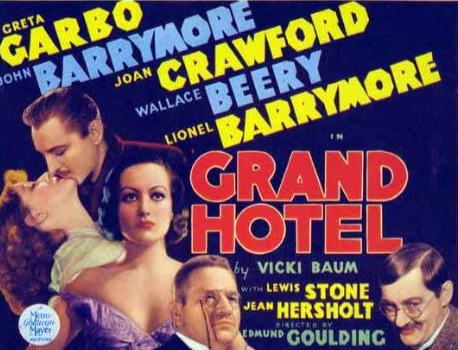
My favorite John Barrymore movie is….Grand Hotel (1932)
This film was a Who’s Who back in 1932, boasting a number of high-profile movie stars, including Greta Garbo, Joan Crawford, and Lionel and John Barrymore. I always enjoy watching the two brothers work together on screen, and this film is a great showcase for the talent John possessed before his personal and health demons sabotaged his talent and career.
 PlayItAgain.blog