
In my first article on Hollywood Siblings, I explored some of the most influential families in Hollywood, both in front of and behind the camera. This included The Warner Brothers, The Marx Brothers, and Lionel, Ethel, and John Barrymore.
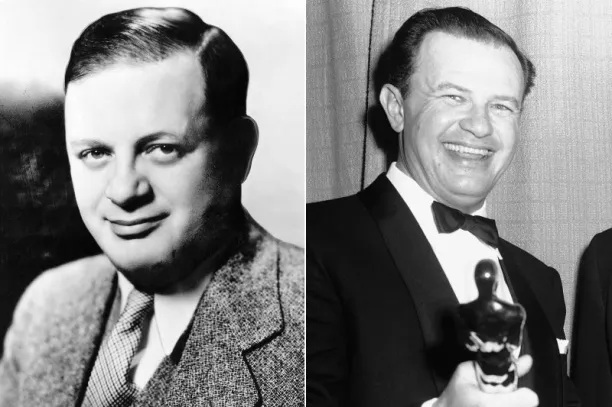
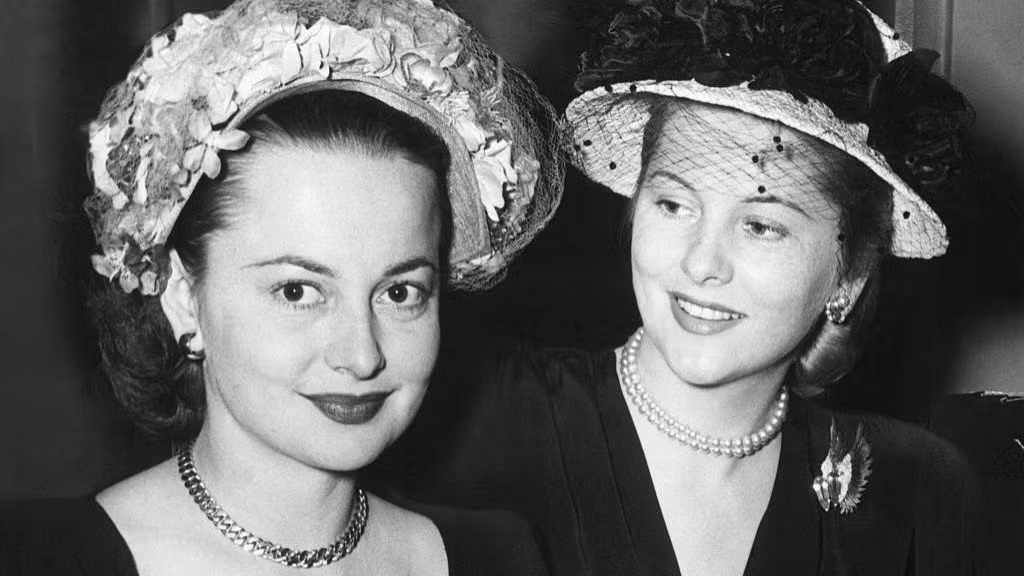
Now, I’m excited to share more about siblings from both sides of the camera. In Part 2, you will meet a set of sisters whose sibling rivalry is truly legendary and a pair of brothers who made a big impact in Hollywood from behind the scenes.
Olivia de Havilland & Joan Fontaine: Sisters in the Spotlight
Hollywood history is filled with rivalries—but few are as enduring, personal, or myth-making as the one between sisters Olivia de Havilland and Joan Fontaine. Born just a year apart, both women became Academy Award–winning stars of Hollywood’s Golden Age—yet their lives and careers unfolded along strikingly different paths.
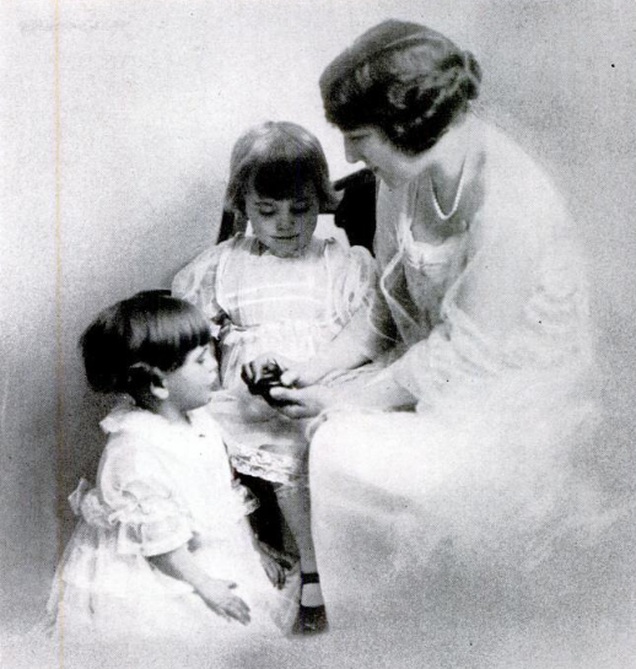
Born in Tokyo to British parents, Olivia and Joan grew up in California but were never close. The roots of the sisters’ lifelong rift are often traced back to their childhood. Their biological father left the family to be with another woman, an event that deeply destabilized the household. Their mother, Lilian Fontaine, later remarried George Fontaine—a stepfather Joan reportedly adored, but Olivia did not. Over time, resentment grew, particularly as Olivia struggled with sharing parental attention with her younger sister.
Tensions between the girls were said to surface early and often. Family anecdotes and later accounts describe Olivia destroying clothing she had outgrown rather than allowing it to be handed down to Joan. One widely repeated incident claims Olivia injured Joan by pulling her into a swimming pool, resulting in a broken collarbone.
The severity of their discord entered the realm of Hollywood legend when a LIFE magazine article suggested that, at one point, Joan had even (gasp!) fantasized about killing her sister—a claim that has since been cited more as evidence of the feud’s intensity than as literal intent.
By the time Hollywood came calling, competition, both personal and professional, had already taken root. Each sister cultivated a distinct screen identity, shaped as much by studio casting as by temperament.
Olivia de Havilland
Venturing into acting in her late teens and being signed with Warner Brothers, audiences first embraced Olivia as the embodiment of grace, loyalty, and moral strength. She was quick, however, to remind her sister, who followed closely behind her, that there was only room for one de Havilland in Hollywood.
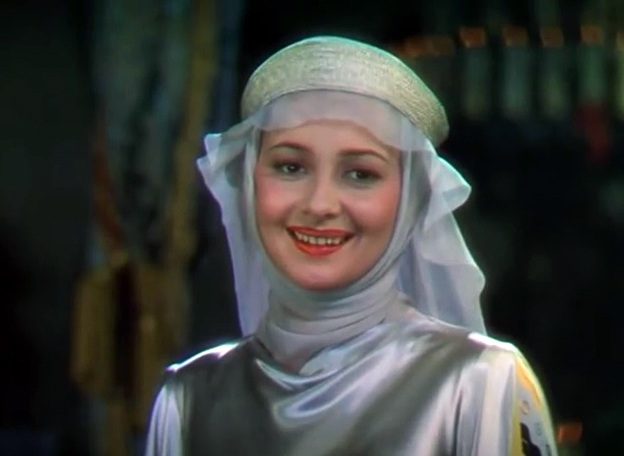
She became a star opposite Errol Flynn in swashbuckling adventures like The Adventures of Robin Hood (1938), but her most famous early role remains Melanie Hamilton in Gone with the Wind (1939). Melanie’s quiet strength, compassion, and emotional intelligence perfectly aligned with Olivia’s natural sensibilities. Though not the film’s flashiest character, Melanie became one of its moral anchors—and earned Olivia her first Academy Award nomination.
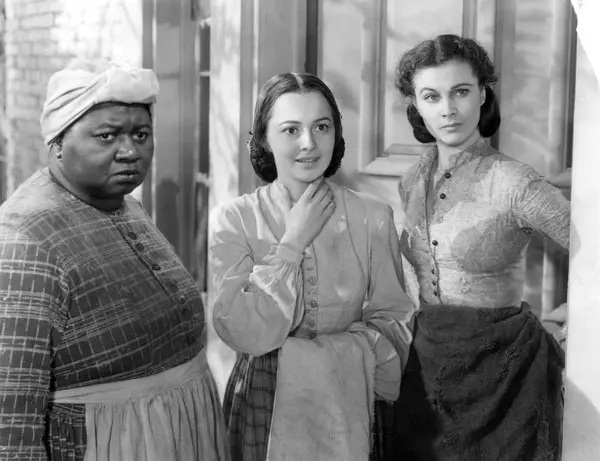
After years of professional frustration, Olivia made the bold decision to challenge Warner Bros. in court, arguing that the studio had unlawfully extended her contract by suspending her without pay. Her victory—now known as the “de Havilland Law”—curtailed the power of long-term studio contracts and granted actors unprecedented control over their careers.
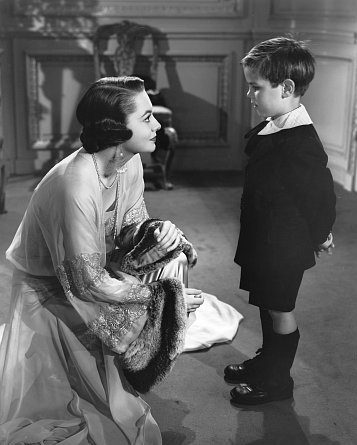
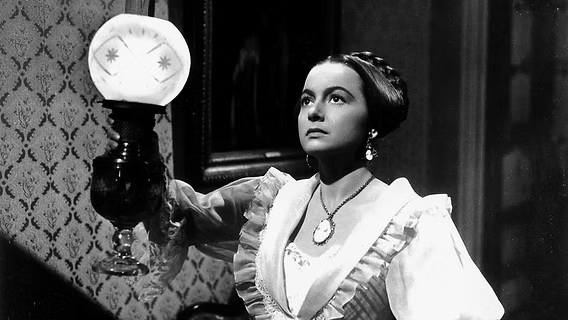
Freed from studio constraints, Olivia entered the most artistically rich period of her career. She deliberately chose complex, psychologically demanding roles, winning two Academy Awards for Best Actress:
- To Each His Own (1946) , portraying a woman whose life is shaped by love, loss, and sacrifice.
- The Heiress (1949) with Montgomery Cliff, a devastating transformation from naïve innocence to emotional steel.
These performances revealed an actress of remarkable restraint and depth—someone who trusted silence, stillness, and intelligence over theatrics.
Joan Fontaine
After the family relocated to California following their parents’ separation, Joan grew up in the shadow of her older sister—more confident, more academically inclined, and seemingly more favored.
Physically delicate and frequently ill as a child, Joan struggled with self-confidence and a sense of belonging. These formative insecurities would later become central to her screen persona. Determined to differentiate herself, she adopted the name Joan Fontaine, a symbolic break from her family identity and an early assertion of independence.
Unlike Olivia’s relatively smooth ascent, Joan’s path to stardom was uncertain and slow. She took small, uncredited roles and endured repeated rejections before gaining traction. Studio executives initially viewed her as awkward and emotionally volatile—qualities that would later become her greatest strengths.
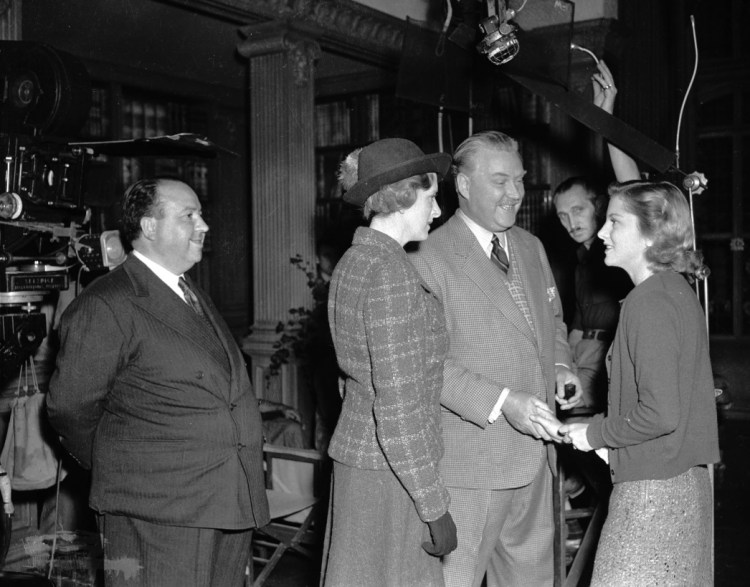
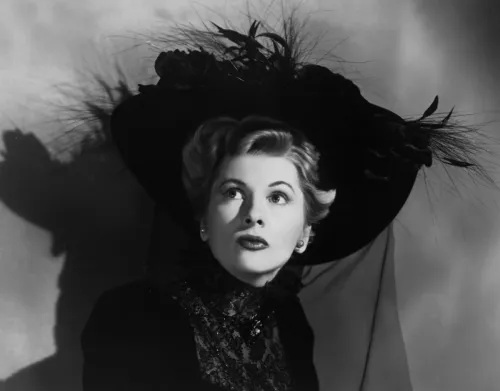
Her breakthrough came when producer David O. Selznick cast her as the unnamed heroine in Alfred Hitchcock’s Rebecca (1940). Nervous, self-doubting, and emotionally exposed, Joan delivered a performance that felt startlingly modern. Audiences connected deeply with her portrayal of insecurity and fear—a sharp contrast to the confident heroines of the era.
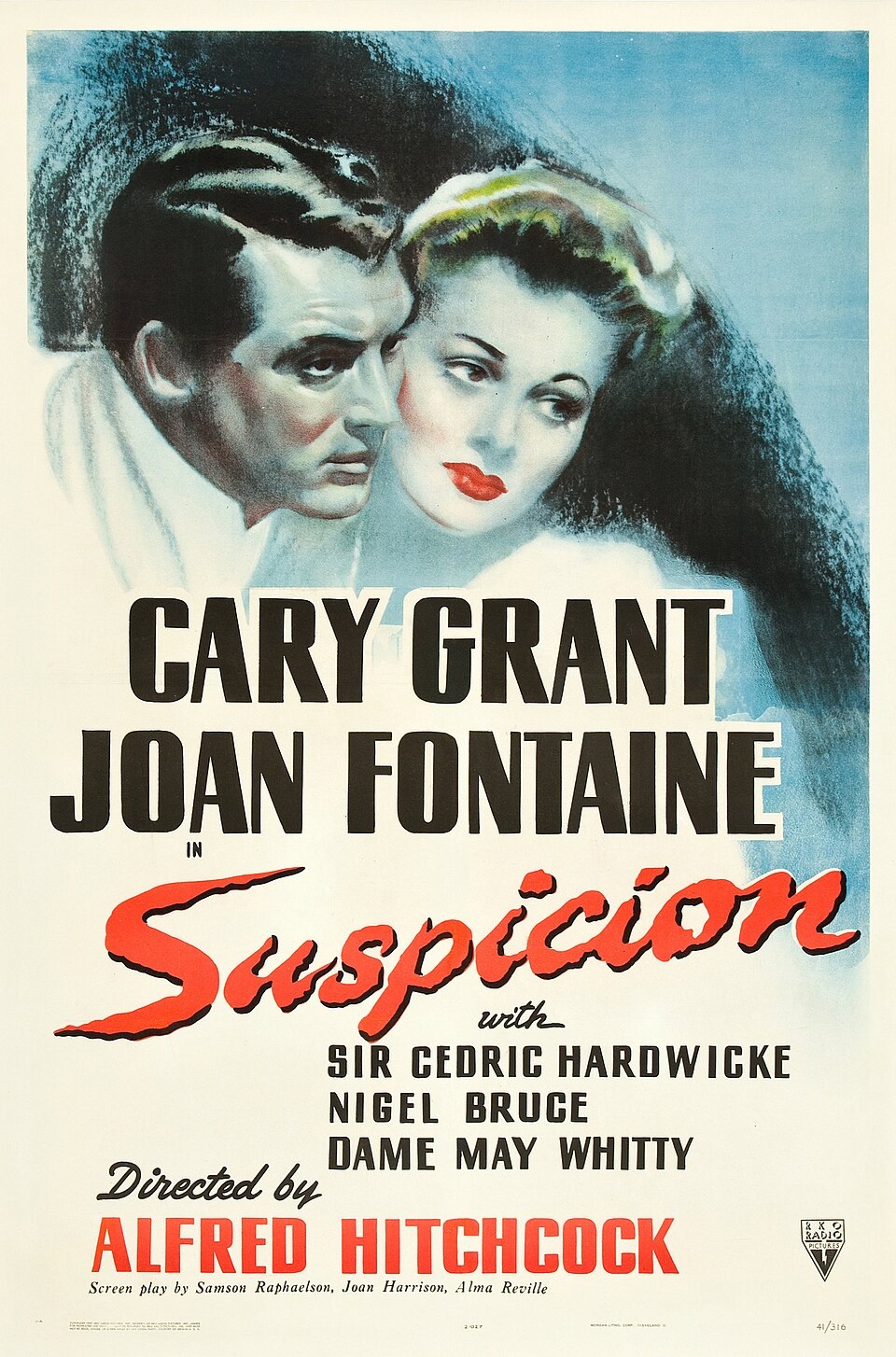
Joan’s success continued with Hitchcock’s Suspicion (1941), in which she played a woman slowly convinced her husband intends to kill her. Her performance—trembling, conflicted, and psychologically raw—earned her the Academy Award for Best Actress.
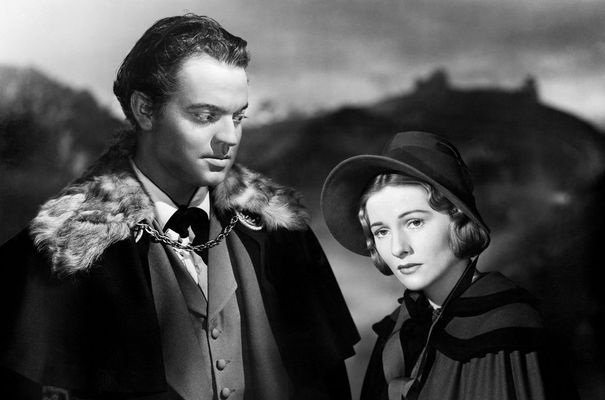
This Oscar win cemented Joan’s screen identity. Throughout the 1940s, she became Hollywood’s go-to actress for roles involving emotional vulnerability, romantic dread, and moral uncertainty. Films such as Jane Eyre (1943) with Orson Welles and Ivy (1947) reinforced her reputation as a specialist in romantic and psychological drama.
A Very Public, Private Feud
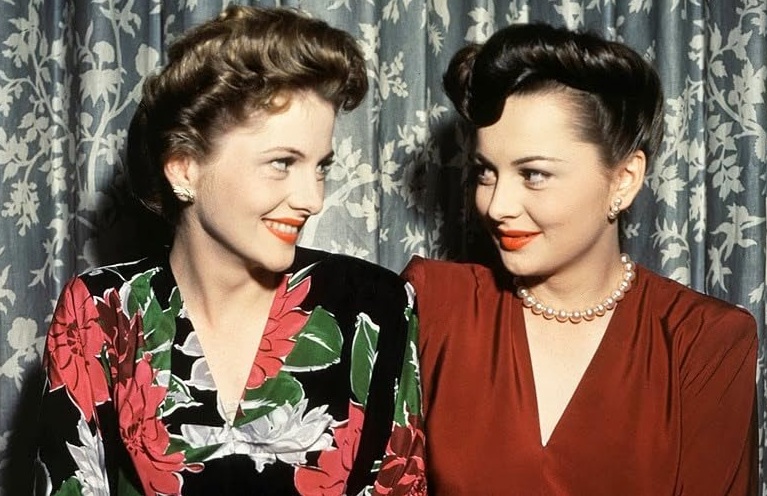
The long-simmering rivalry between the sisters reached its most visible moment on Hollywood’s grandest stage in 1942, when both Olivia and Joan were nominated for the Academy Award for Best Actress. Joan Fontaine ultimately claimed the Oscar for her performance in Alfred Hitchcock’s Suspicion, triumphing over Olivia de Havilland, who had been nominated for Hold Back the Dawn.
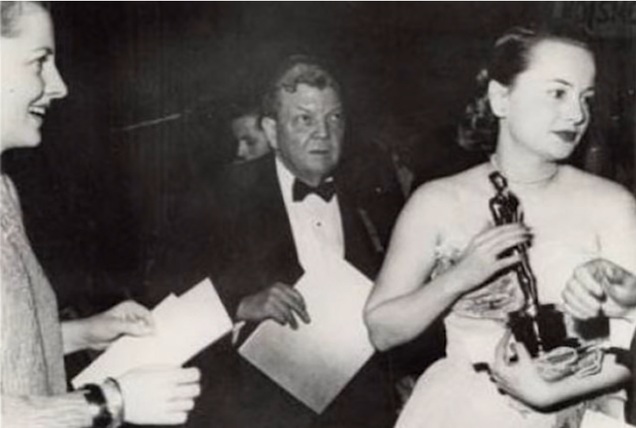
While the moment cemented Fontaine’s place in Hollywood history, it also deepened the rift between the sisters. Four years later, the balance shifted when de Havilland won the Academy Award for To Each His Own (1946). As Fontaine reportedly approached to offer her congratulations, de Havilland declined the gesture—a brief but telling exchange that photographers quickly captured, preserving the awkwardness for posterity.
A Family Divide That Never Healed
Despite decades of shared fame, the sisters never reconciled. Joan spoke openly about the feud; Olivia remained discreet and reserved. By the time their mother died in 1975, the sisters’ estrangement was firmly entrenched. Olivia de Havilland had long since stepped away from acting and was living quietly in Paris. Reports at the time claimed that Olivia initially sought to prevent Joan Fontaine from attending their mother’s funeral, relenting only after Joan threatened to bring the dispute to the press.
Following their mother’s death, the sisters reportedly did not speak again for the remainder of their lives—a silence spanning nearly four decades. Their feud came to be described by journalists as one of the longest-running and most bitter sibling rifts in Hollywood history.
Joan later addressed the rivalry with characteristic sharpness, once remarking, “I married first, won the Oscar before Olivia did, and if I die first she’ll undoubtedly be livid because I beat her to it.”
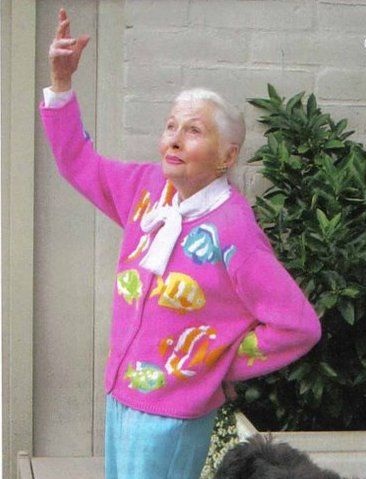
Joan gradually stepped away from acting, making occasional television appearances before retiring entirely. She married four times, lived abroad for periods, and ultimately settled in California choosing relative seclusion, distancing herself from Hollywood and its mythology.
In later years, Joan published an autobiography that offered her perspective on her family, career, and rivalry—often candid, sometimes controversial. It ensured her voice remained part of the narrative, even as debates over its accuracy continued.
Joan Fontaine passed away on December 15, 2013 at the age of 96. When Joan died, Olivia released a brief statement from Paris saying she was “shocked and saddened” by her sister’s passing and grateful for the many “kind expressions of sympathies.” Whether Olivia attended Joan’s funeral, however, remains unclear—one final unanswered question in a relationship defined by distance, silence, and enduring myth.
For her part, Olivia relocated to Paris in the 1950s, where she would live for the rest of her life. She continued acting selectively in film and television, earning acclaim for later work such as Hush…Hush, Sweet Charlotte (1964). Her personal life remained private; she married twice, raised a daughter, and maintained a dignified distance from Hollywood gossip.
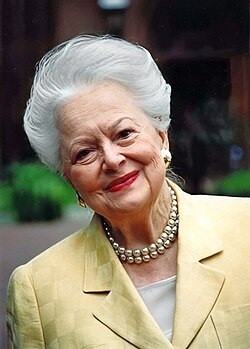
In 2017, she was named a Dame Commander of the Order of the British Empire by Queen Elizabeth II. She was approaching her 101st birthday and would become the oldest person to ever achieve this distinction. Of the honor, de Havilland would say, “To receive this honor as my 101st birthday approaches is the most gratifying of birthday presents.”
Olivia lived to the age of 104, passing away in 2020, becoming not only a witness to nearly the entire history of cinema, but a living bridge between Hollywood’s earliest studio era and the modern age.
Enduring Legacy
Together, Olivia de Havilland and Joan Fontaine represent two enduring archetypes of classic cinema. Their films continue to captivate, and their story reminds us that Hollywood glamour often masks deeply human stories of rivalry, ambition, and longing.
Classic film lovers know: sometimes the most compelling drama isn’t just on the screen—it’s written between the lines of history.
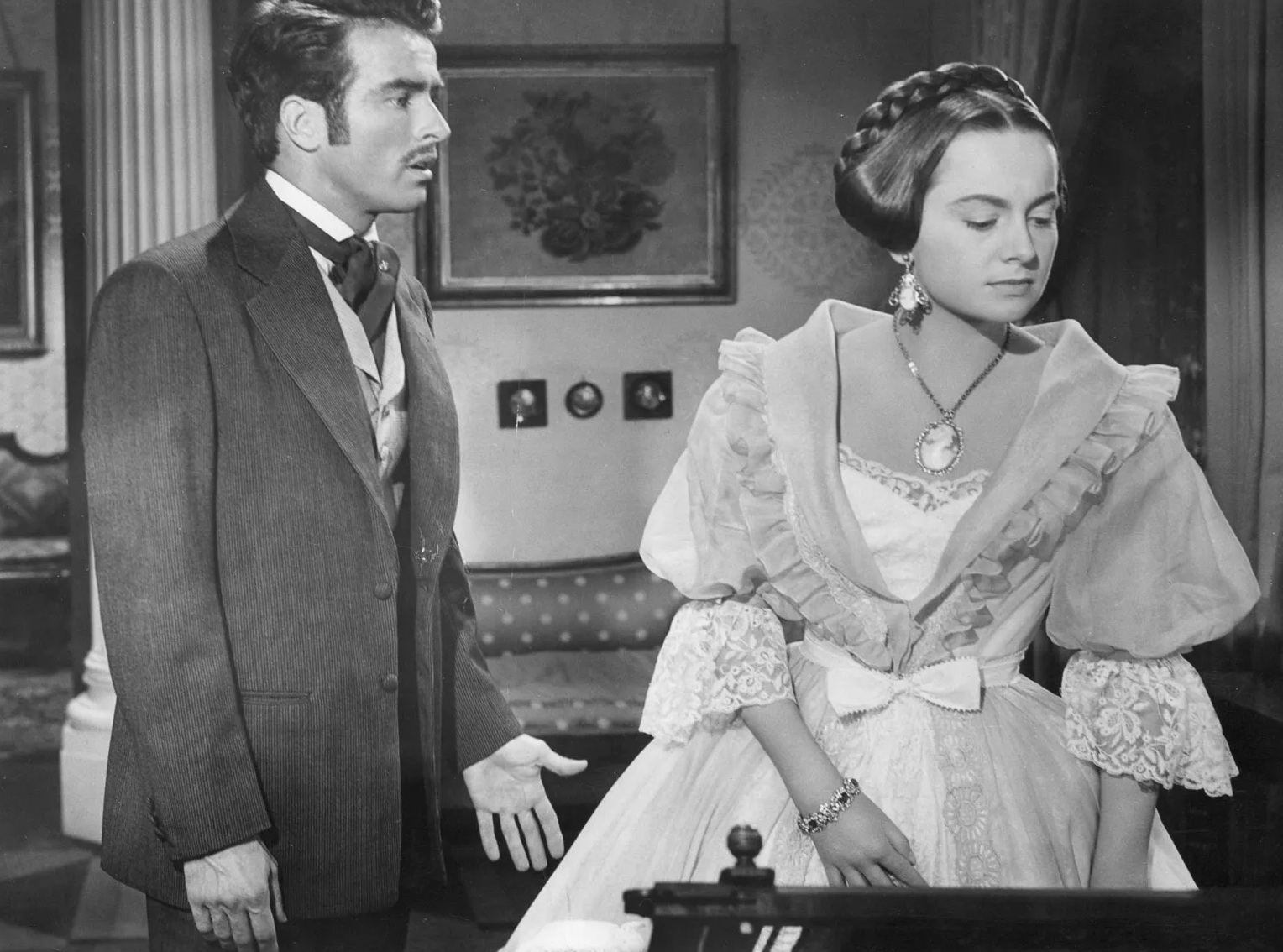
My favorite Olivia de Havilland film is…..The Heiress (1949)
What makes The Heiress truly special isn’t just its beautiful look or famous heritage—it’s the powerful emotional experience it offers. At its core is Olivia de Havilland, delivering more than just a performance, it’s a transformation. As Catherine Sloper, she starts off painfully shy, overlooked, and longing for love. But as the story unfolds, so does her character—showing depths of strength, heartbreak, and a resolve that feels both heartbreaking and triumphant. The film bravely explores a story where love, power, and self-worth clash in ways that are raw and real, not always neat or comforting. And in its unforgettable final moments, it leaves you with a chilling yet satisfying sense of justice. Loving The Heiress means appreciating a performance that’s not just Oscar-worthy but also deeply memorable.
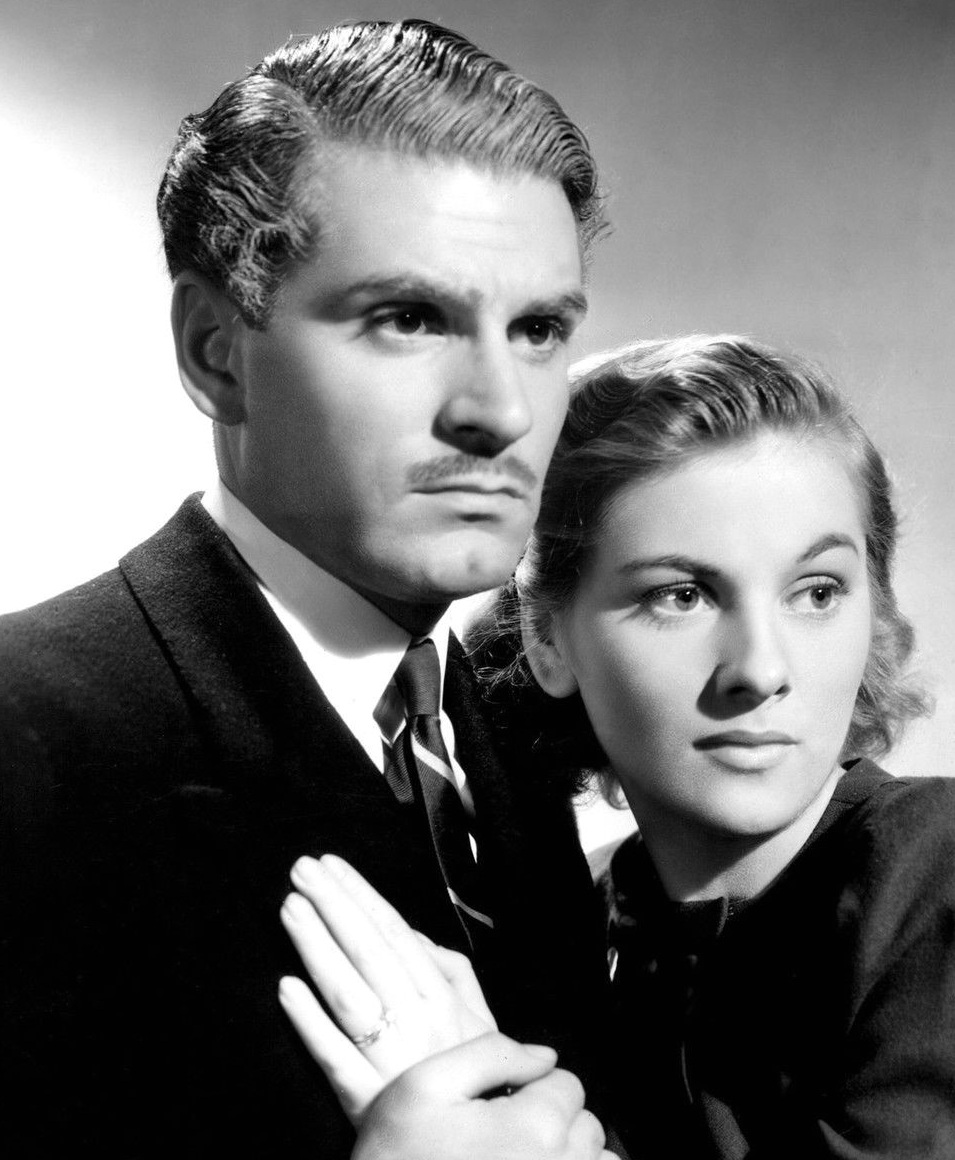
My favorite Joan Fontaine film is….. Rebecca (1940)
Rebecca truly captivates with its enchanting mix of romance and psychological suspense. It’s gently immersive, drawing you into a world where identity, memory, and love are deeply intertwined in ways that can be unsettling. Joan Fontaine shines at the heart of the film, showing a beautiful blend of vulnerability and quiet strength. As the unnamed second Mrs. de Winter, she invites us into her world of uncertainty, longing, and growing unease as she navigates life in the shadow of a woman she can never fully leave behind. It’s a film that softly whispers rather than shouts, lingering with you even more because of its subtle strength.
Herman J. Mankiewicz & Joseph L. Mankiewicz: Brothers Behind the Curtain
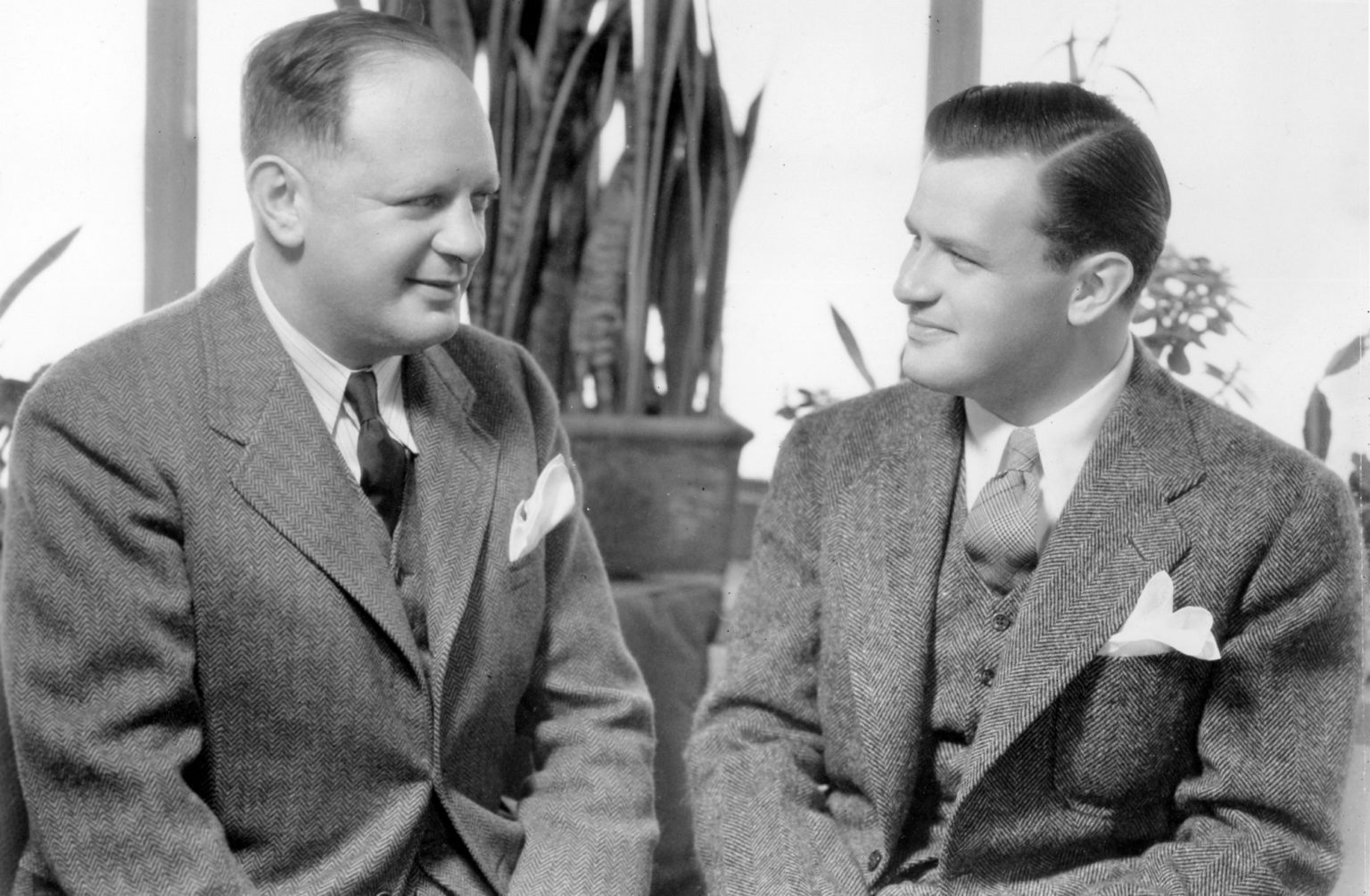
Classic Hollywood wasn’t just about the stars—many of its most exciting changes happened behind the scenes. These moments were carefully built—embedded into scripts, refined in editing rooms, and driven by the tension between ambition and intelligence. Nobody captures this spirit better than brothers Herman J. Mankiewicz and Joseph L. Mankiewicz.
Growing up in a refined, intellectually vibrant New York household, both brothers developed a love for journalism, literature, and lively political debates from a young age. Wit was their family’s currency—and they both used it generously.
However, their personalities showed clear differences. Together, they helped shape what intelligent American cinema could become. On their own, they each embody two very different paths of surviving—and influencing—Hollywood.
Herman, the elder brother, was known for being quite volatile, a bit caustic, and wonderfully undisciplined.
On the other hand, Joseph, the younger sibling, valued structure, control, and long-lasting success.
This contrast didn’t just shape their careers but also colored their legacies, making their stories even more intriguing.
Herman J. Mankiewicz: The Brilliant Dissenter
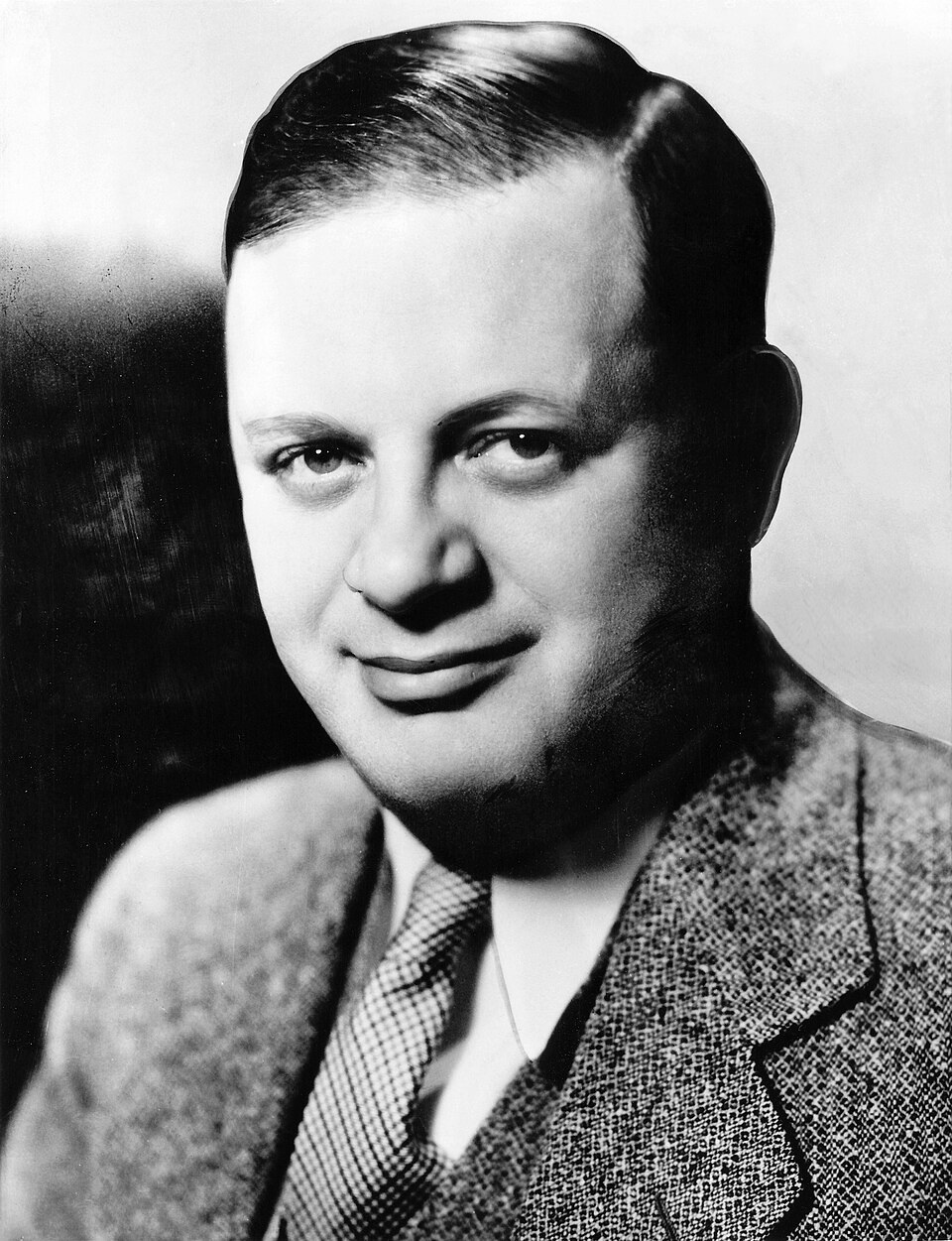
Herman arrived in Hollywood as a newspaperman, carrying a typewriter and a quick wit that could cut deep. He quickly became a sought-after yet notoriously challenging screenwriter, relied upon by studios to sharpen dialogue, add satire, and save struggling scripts.
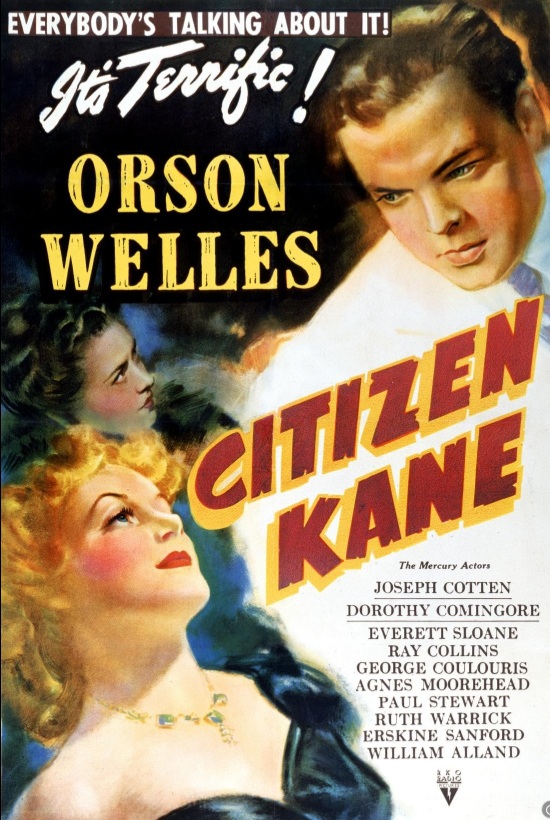
His proudest moment came with Citizen Kane (1941), which he co-wrote with Orson Welles. Using his personal experience with powerful newspaper empires, Herman brought a touch of cynicism, humor, and emotional richness to the screenplay. The film earned him his only Academy Award and secured his place in film history.
However, Herman’s journey was often marred by alcoholism, unpredictable behavior, and a stubborn resistance to Hollywood’s politics. Despite his prolific output, he rarely experienced lasting stability or control. His talent burned brightly, but fleetingly.
Joseph L. Mankiewicz: The Master Builder
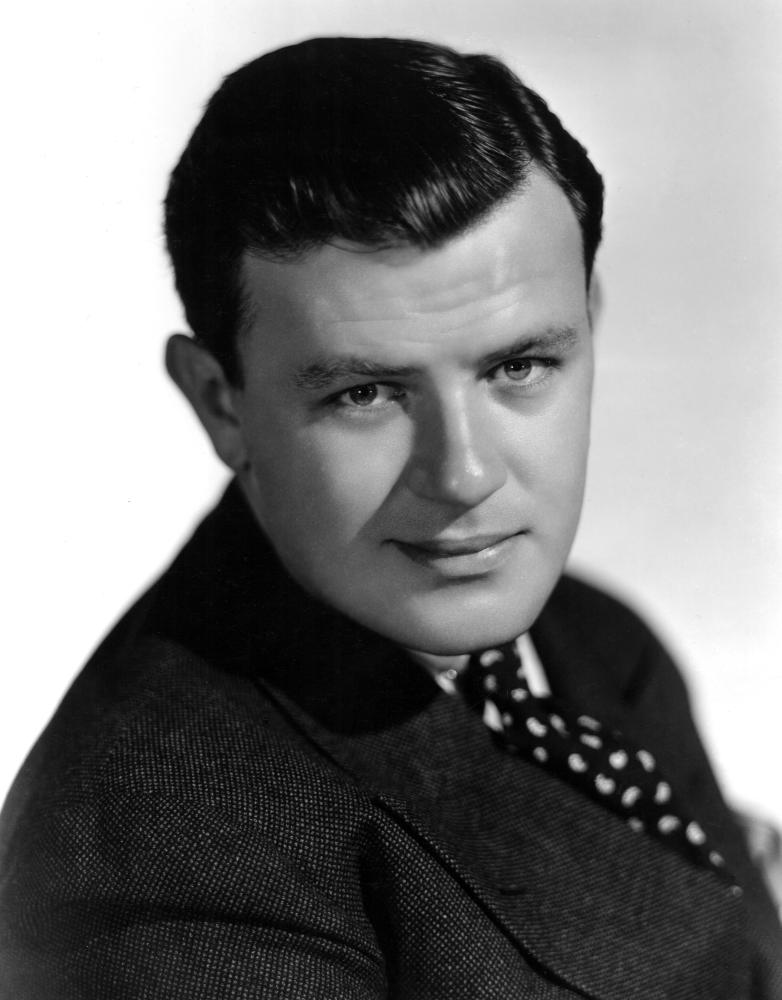
Joseph chose a rewarding, patient path, starting out as a screenwriter and producer before gradually gaining influence. He became one of the rare writer-directors to have full creative control in the studio system.
His films are known for their sharp dialogue, intelligence, and keen observation. Classics like A Letter to Three Wives (1949) and All About Eve (1950) showcased how powerful dialogue can be in storytelling.
All About Eve, a keen look at ambition, ego, and performance, won six Oscars and is still one of the most quoted films in cinema history.
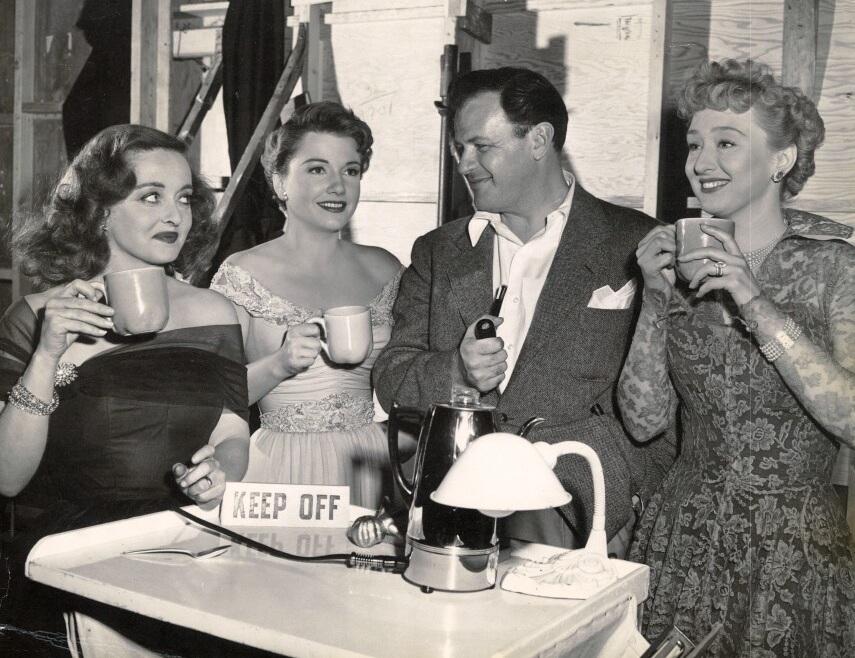
Joseph earned four Academy Awards, served as president of the Directors Guild of America, and enjoyed a level of influence that Herman never achieved.
Early Influence: Big Brother, First Mentor
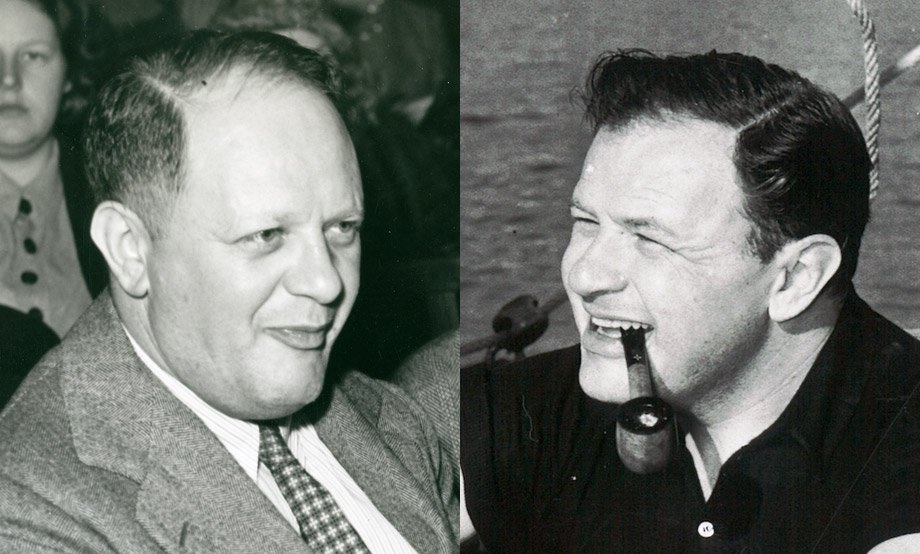
As the older brother, Herman played a vital role in helping Joseph get started in Hollywood. By the late 1920s, Herman was already well-known as a talented and well-paid screenwriter working within the studio system. When Joseph stepped into the picture, it was Herman who opened doors for him—using his reputation to help Joseph land some of his first opportunities at Paramount.
During those early days, Joseph looked up to his brother, admiring his quick wit and sharp mind. Meanwhile, Herman saw Joseph’s strong discipline and big ambitions, traits that he himself found challenging to maintain.
Admiration Meets Frustration
The brothers’ relationship soon grew to include both respect and a bit of irritation, highlighting the complex and evolving nature of their bond.
Joseph grew increasingly frustrated watching Herman squander opportunities and alienate collaborators. He later spoke candidly about his brother’s self-destructive tendencies, suggesting that Herman’s greatest obstacle was not talent, but temperament.
At the same time, Joseph never dismissed Herman’s brilliance. He understood—perhaps better than anyone—that Herman had a rare, nearly effortless mastery of language and satire.
Professional Overlap—and Divergence
Unlike many Hollywood siblings, the Mankiewicz Brothers did not often work together on major projects. Their careers, although overlapping in time, followed different paths:
Herman became Hollywood’s quintessential script doctor—important, but often under-recognized.
Joseph steadily gained authority, shifting into producing and directing, where he could control both story and execution.
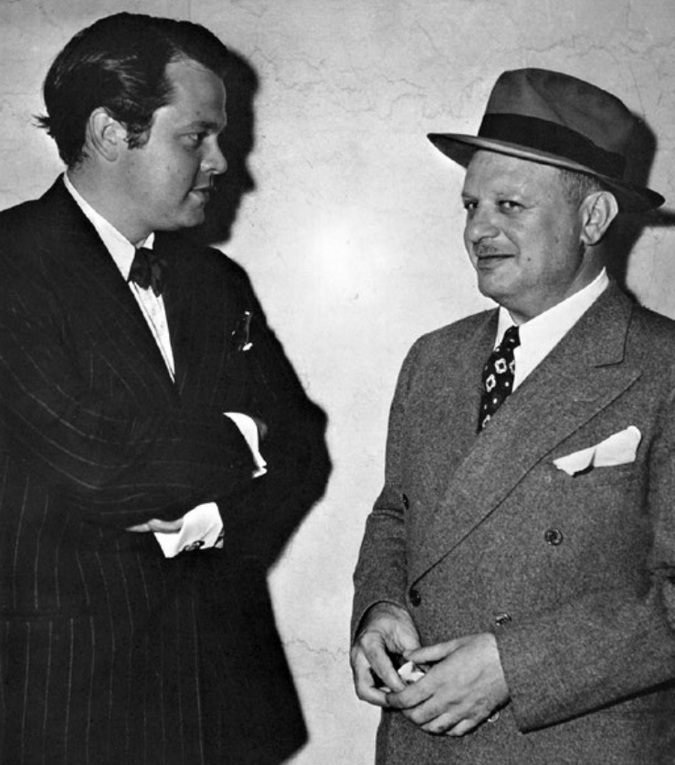
The Shadow of Citizen Kane
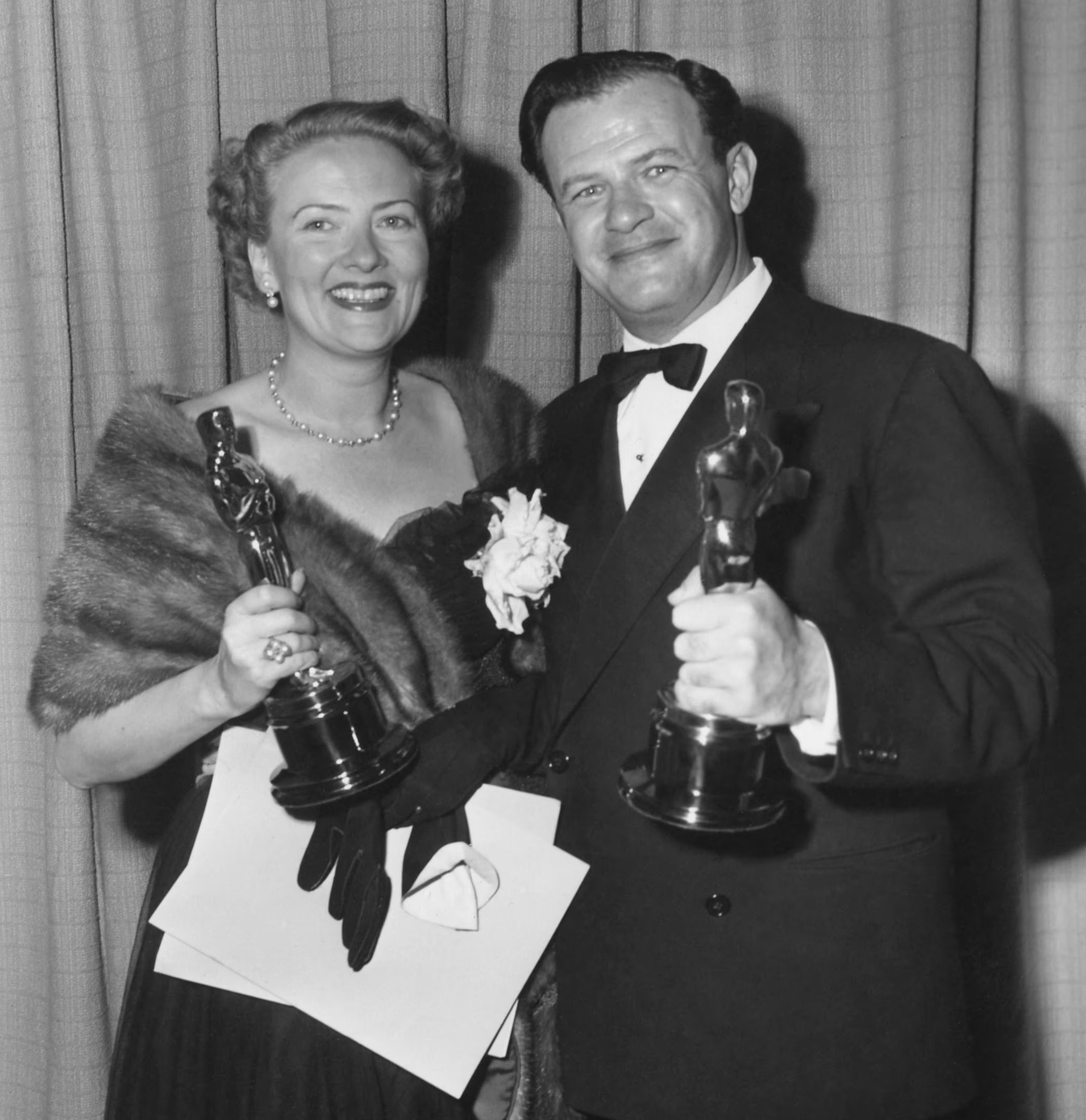
Herman’s Academy Award win for Citizen Kane (1941) cemented his legacy—but it also highlighted the difference between the brothers.
While Herman reached a remarkable height of success, Joseph was just starting the most thriving and celebrated period of his career. Over the next ten years, Joseph would earn four Oscars and become one of Hollywood’s most admired writer-directors.
Public Comments, Private Distance
Joseph later reflected on his brother with honesty and restraint. He praised Herman’s genius but did not romanticize his difficulties. In interviews, Joseph highlighted the tragedy of lost potential, implying that Herman could have achieved much more with greater discipline.
There’s little sign of open hostility between the brothers, but their relationship was not close or ongoing. It seemed to settle into a quiet distance—one of mutual acknowledgment yet driven by fundamentally different approaches to life and work.
They stayed connected through family and intellect but ultimately saw each other as opposites—each representing a different answer to the same question: What does it take to succeed in Hollywood?
The Mankiewicz Brothers form a fascinating paradox in Hollywood’s collaborative industry: two of its greatest writers, raised alike, yet rarely working together, whose legacies are better appreciated side by side than intertwined.
One brother created a masterpiece. The other produced a prolific body of work.
Between them is one of classic Hollywood’s most quietly compelling family stories.
Herman died on March 5, 1953, at the age of 56.
Joseph died on February 5, 1993, at the age of 84.
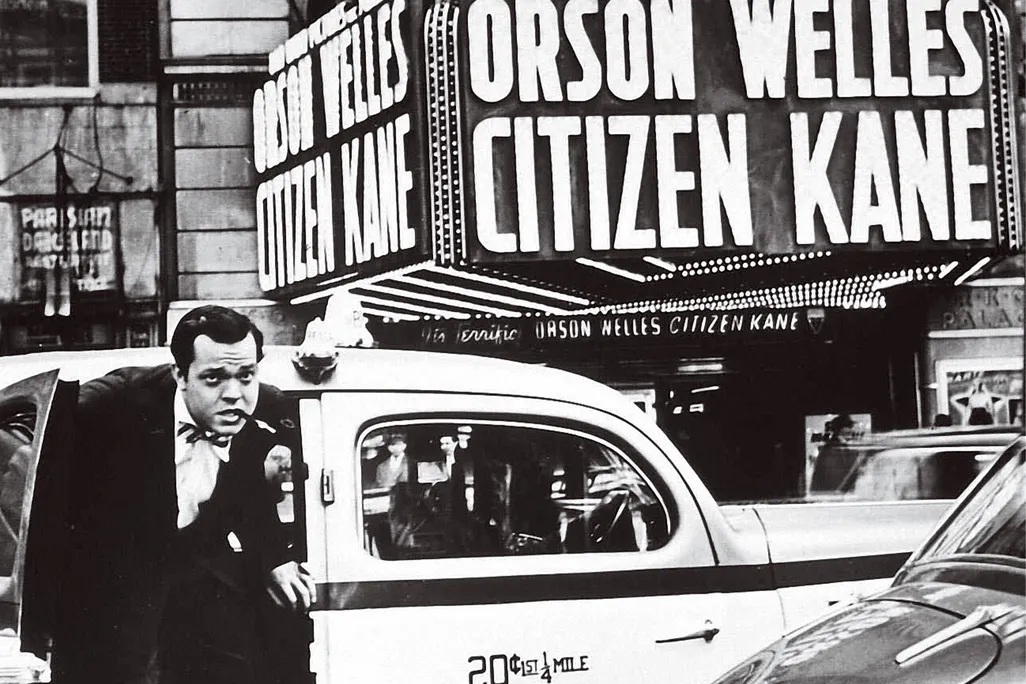
My favorite Herman Mankiewicz film is…..Citizen Kane (1941)
Citizen Kane is my all-time favorite classic film. Period. Full stop. I could easily write pages about it, but I’ll just share that it was one of the very first truly classic movies I saw on the big screen as a teenager, and it sparked my love for film. It also helped me realize how handsome Orson Welles was in his prime—more than just the guy I knew from The Muppet Movie when I was a kid growing up in the 1980s. When you consider its history, the talented filmmakers behind it, and the fascinating backstory, it becomes much more than just a film—it’s a captivating piece of Hollywood history.
My favorite Joseph Mankiewicz film is….. All About Eve (1950)
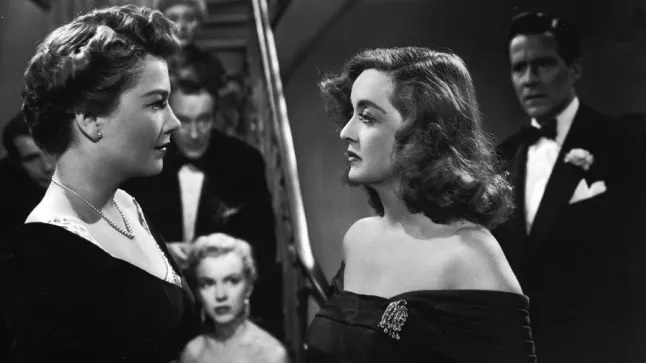
What makes All About Eve a favorite isn’t just its iconic performances or its famously quotable lines—it’s the exquisite craftsmanship of Mankiewicz’s writing. Every word seems lovingly chosen. Every glance is meaningful. This film really respects its audience’s intelligence. It takes its time, avoids unnecessary explanations, and trusts you to follow along—rewarding your attention in return. Loving All About Eve means appreciating dialogue that shines, characters that feel startlingly real, and a story that offers something new each time you watch. It’s not just a favorite; it’s a film that quietly sets the standard for all others.
 PlayItAgain.blog